The Galaxy Watch8 Classic series and the Pixel Watch 4 series answer the same question in opposite ways: what should an Android smartwatch feel like on the wrist? One keeps a physical rotating bezel, a cushion-shaped stainless steel case, and Samsung’s deep health software. The other keeps a rounded dome, Gemini built in, and a clean Google-first experience. This guide is written as a permanent reference for shoppers, so the decision criteria come before the marketing language, and the table below is the fastest way to see where the two diverge.
| Feature & Selling Point | Samsung Galaxy Watch8 Classic | Google Pixel Watch 4 |
|---|---|---|
| Case Size | 46mm (Classic line) | 45mm (listed variant) |
| Case Material | Stainless steel | Polished metal case |
| Control Scheme | Rotating bezel plus Quick Button | Touch bezel with crown-style side button |
| Processor | 3nm chip (per Samsung spec page) | Google wearable silicon |
| Battery Rating | Multi-day with power saving | 30-hour rated battery |
| Assistant Built In | Galaxy AI features | Gemini built in |
| Sleep Tools | Sleep coaching and Energy Score | Sleep tracking metrics |
| Running Tools | Running Coach guidance | Heart rate and fitness tracking |
| Water Resistance | Swim-ready rating | Water resistant (listed) |
| Connectivity Variant | Bluetooth model reviewed | Wi-Fi model reviewed |
| Band System | Quick-release bands | Active Band with push-button release |
| Phone Pairing Depth | Galaxy phone features go deeper | Broad Android pairing |
| Design Character | Cushion case, watch-like presence | Rounded dome, minimal profile |
| Best Suited To | Galaxy owners wanting tactile control | Pixel and Android users wanting Gemini |
Two rows decide most purchases. The control scheme separates them first: the Galaxy Watch8 Classic gives buyers a physical rotating bezel and a Quick Button, while the Pixel Watch 4 relies on a touch bezel and a crown-style side button. The second decisive row is battery and assistant integration, where the Pixel Watch 4 lists a 30-hour battery and Gemini built in, while the Galaxy Watch8 Classic answers with Galaxy AI features, Sleep Coaching, Running Coach, and Energy Score.
The Case for a Physical Bezel and Cushion Design
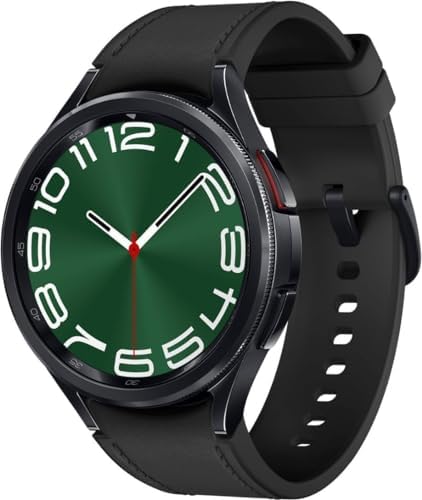
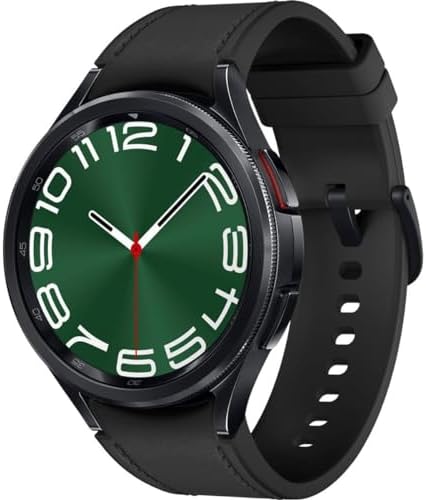
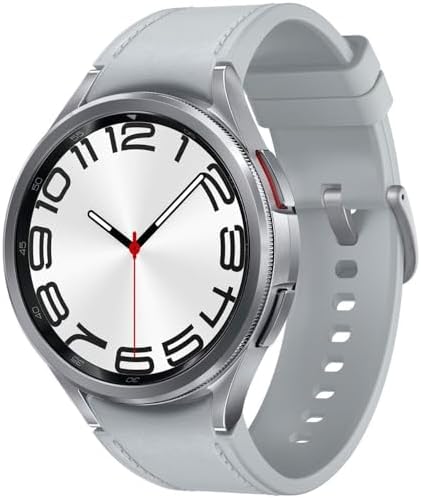
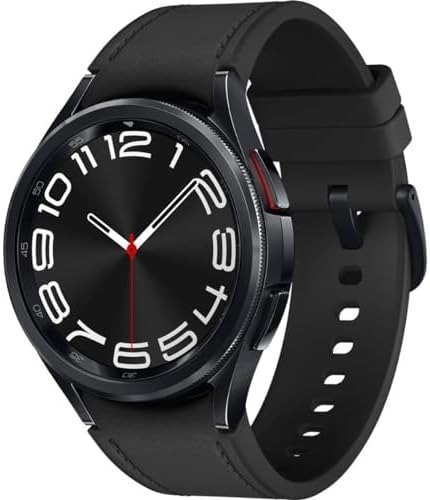
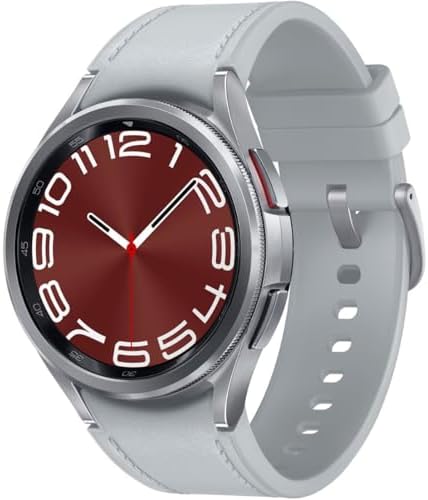
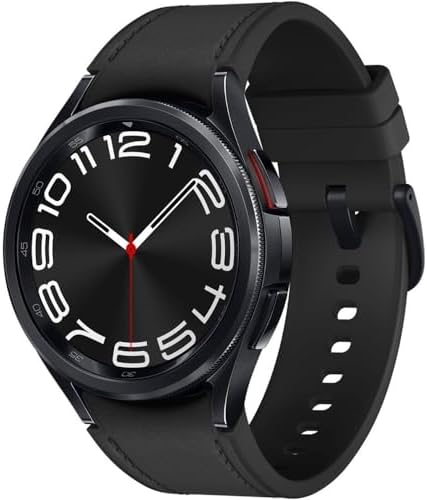
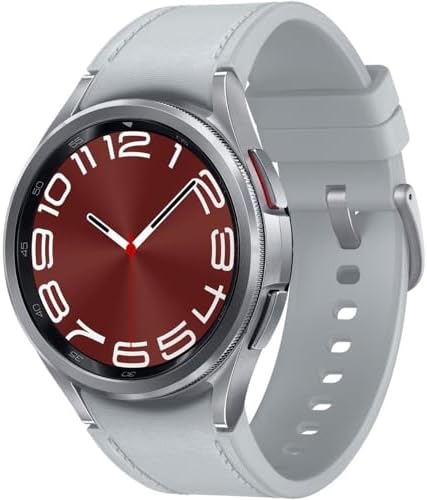
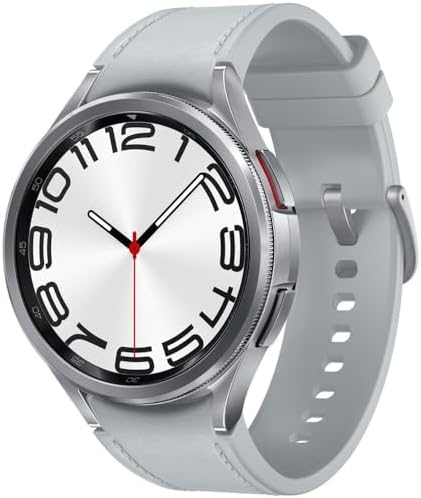
Physical interaction with a smartwatch often decides whether it gets used daily or left in a drawer. The Galaxy Watch8 Classic keeps the rotating bezel that Samsung has refined across its Classic line, and it pairs that control with a Quick Button for shortcuts. According to Samsung, the Classic models appear in the brand’s watch range alongside the standard Galaxy Watch8, with stainless steel listed among the case materials for the Classic line and titanium reserved for the Watch Ultra tier. On the 46mm black Bluetooth variant, that stainless steel case carries a cushion-shaped profile that reads closer to a traditional sports watch than a flat puck.
That design decision has practical consequences. A bezel lets you scroll lists, adjust volume, and move through widgets without covering the display with a finger. It also works when the screen is wet or when gloves block capacitive touch. The cushion case adds visual bulk on the wrist, which suits buyers who want a watch that looks substantial with a jacket or a cuff, and it makes the 46mm sizing feel intentional rather than oversized. For anyone comparing on paper, the Samsung Galaxy Watch8 Classic is the reference point for that combination, and its rotating bezel is the feature most buyers test first in a store.
Where the Galaxy Watch8 Classic Wins on Health Software
Samsung’s wellness stack has become the main argument for staying inside the Galaxy ecosystem. The Watch8 Classic is marketed with Sleep Coaching, a Running Coach feature, and an Energy Score that converts sleep, activity, and heart rate data into a single readiness number. None of this is unusual in 2025, but Samsung integrates these features tightly with Galaxy phones, and the company’s own support documentation confirms that Galaxy Watch8 series devices require Android 12.0 or higher with at least 1.5GB of RAM on the paired phone.
The 3nm processor noted on Samsung’s Galaxy Watch8 44mm spec page matters here as well, because continuous sleep and heart rate monitoring is a background task, and efficiency gains translate into less battery drain between charges. Buyers who train seriously will find the Running Coach guidance more valuable than generic step counts, while buyers who mainly care about sleep will get more from the coaching prompts and the morning readiness readout. The trade-off is ecosystem depth: the most complete Galaxy Watch8 Classic experience assumes a Samsung phone, and some features work less fully on other Android hardware.
Google Pixel Watch 4: Assistant-First Wearable Computing
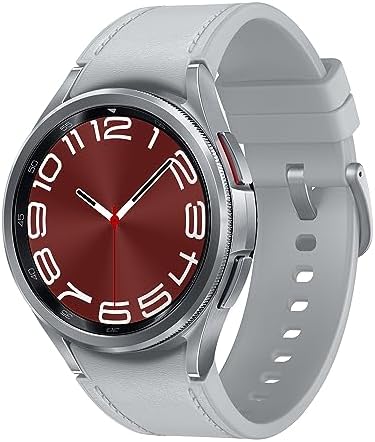
The Pixel Watch 4 takes the opposite approach. Its pitch rests on Gemini built in, a 30-hour battery rating, heart rate and fitness tracking, and a water-resistant build, all wrapped in a rounded dome design with an Active Band. Where Samsung asks the buyer to learn a control surface, Google asks the buyer to talk to the watch. For anyone already living inside Google’s services, the value proposition is direct: reminders, messages, navigation, and search requests route through the same assistant that handles them on a phone or in a browser.
The 45mm sizing listed for the Pixel Watch 4 puts it in direct competition with the Classic’s larger case, though the visual result is very different. The dome profile sits low and rounded, which reads as modern and minimal, and the band release system is designed for quick swaps without tools. Buyers who value a clean silhouette over a watch-like bezel will find the Pixel Watch 4 far easier to style with casual clothing. The Google Pixel Watch 4 also carries the assistant-first identity that separates it from every Samsung model.
Battery Expectations and Daily Charging Habits
Battery life is where specification sheets do the most work and where real-world experience diverges most. Google lists a 30-hour rating for the Pixel Watch 4, a figure that assumes typical use and which will shrink with always-on display settings, GPS workouts, and heavy assistant use. Samsung positions the Galaxy Watch8 Classic around multi-day use with power saving enabled, with the 3nm chip contributing to efficiency. In practice, both watches land in a routine where a nightly or every-other-night charge becomes the habit.
What Changes the Math
Display brightness, continuous heart rate monitoring, and sleep tracking with blood oxygen sampling all draw power. Turning off always-on display is the single largest lever on either watch, and it can add hours rather than minutes to the estimate. GPS accuracy settings matter next: high-accuracy multi-band tracking drains faster than standard GPS. Buyers who train outdoors several times a week should plan for daily charging on both devices regardless of the marketing number, and buyers who mostly track sleep and steps will see closer to the rated figures.
Charging Speed and Routine
Charging speed rarely appears on comparison sheets, yet it shapes whether a watch feels convenient. A quick top-up during a shower can carry a device through an evening if the charger is fast enough, and a slow charger turns every low-battery warning into an hour of waiting. Buyers upgrading from older wearables should check the charger design of each model, since pogo-pin and magnetic docks are not interchangeable across brands. The practical advice is simple: choose the watch whose charging window fits an existing routine rather than trying to build a new routine around the watch.
Fitness Tracking: Coaching Versus Metrics
The Galaxy Watch8 Classic leans on structured guidance. Running Coach and Energy Score are aimed at users who want the watch to tell them what to do next rather than simply recording what they did. Samsung states these features are part of the Watch8 Classic’s positioning, and they work best when the watch has weeks of baseline data to calibrate against. The result is a device that rewards consistent wear and punishes sporadic use with generic advice.
The Pixel Watch 4 leans on measurement and Fitbit-derived tracking, with heart rate and fitness tracking listed as core capabilities. The difference is philosophical more than technical: one device coaches, the other reports. Runners who follow structured plans may prefer the explicit guidance of the Samsung approach, while users who already have a training app they trust may prefer the Pixel Watch 4’s role as a clean sensor platform that feeds data into that app.
Software Support and Update Longevity
Neither watch is a one-year purchase, so update policy deserves a row in any buying decision. Samsung’s Galaxy Watch8 Classic runs Wear OS with Samsung’s One UI Watch layer, and the company has a track record of multi-year platform updates across its watch generations. Google’s Pixel Watch 4 benefits from Google’s own update cadence, which is typically prompt because Google controls both the hardware and the software. Buyers who keep devices for four or five years should weigh this carefully, because a watch that stops receiving security patches becomes a liability long before the hardware wears out.
App availability is a related consideration. Both devices draw from the same Wear OS app catalogue, so the practical difference comes down to which first-party experiences are preinstalled and how deeply they integrate. Samsung’s health features are bundled and polished within its own ecosystem, while Google’s assistant and health services favor Google account holders. The overlap is large enough that most apps run on both, and the decision usually comes down to which ecosystem the buyer already trusts.
Making the Choice: Who Should Buy Which
Buyers who own a Galaxy phone and want tactile control, a stainless steel case, and a watch that looks substantial on the wrist should take a close look at the Galaxy Watch8 Classic. The rotating bezel is not a gimmick; it changes how often the watch gets used, and the health software rewards consistent wear with coaching that adapts over time. Buyers who accept the Samsung ecosystem will find the deepest integration there, and the Samsung brand’s phone pairing story remains the strongest argument for choosing this model over a Google alternative.
Buyers who want a rounded, minimal design, Gemini built in, and a broad Android pairing story should weigh the Pixel Watch 4 seriously. Its 30-hour battery rating and water-resistant build cover the essentials, and the assistant-first approach suits anyone who already depends on Google services. The trade-offs are real: fewer physical controls and a design language that prioritizes appearance over tool-like presence.
Design Language and Long-Term Satisfaction
Watches are worn on the body every day, which makes aesthetics a legitimate purchase criterion rather than a shallow one. The Galaxy Watch8 Classic’s cushion case and bezel create a tool-watch silhouette that has aged well across generations. The Samsung design team has kept that formula stable because buyers respond to it, and the 46mm size gives the watch enough surface area to read as a proper timepiece rather than a screen strapped to the wrist.
The Pixel Watch 4’s dome is the opposite bet, and it works because Google has resisted the urge to add complications. A rounded case with an Active Band is easy to wear with short sleeves and casual clothing, and the minimal profile avoids the awkward bulk that plagues large smartwatches under a shirt cuff. Buyers who care about industrial design as much as function will find the Google approach appealing precisely because it refuses to imitate a mechanical watch.
Neither choice is wrong, and that is the point of this guide. The Galaxy Watch8 Classic rewards buyers who want physical controls, Samsung health software, and a traditional sports-watch presence. The Pixel Watch 4 rewards buyers who want the assistant on their wrist, a clean silhouette, and a straightforward Android experience. Decide which of those two descriptions fits daily life, and the specification table above becomes a confirmation rather than a source of doubt. A watch that matches the way a person actually moves through a day will be worn longer, charged more reliably, and valued more highly than one chosen purely on a spec sheet.