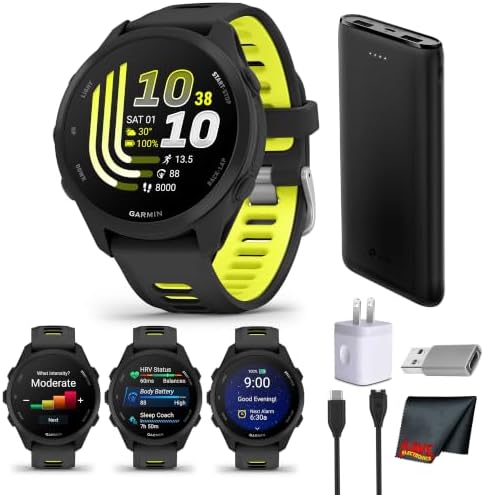
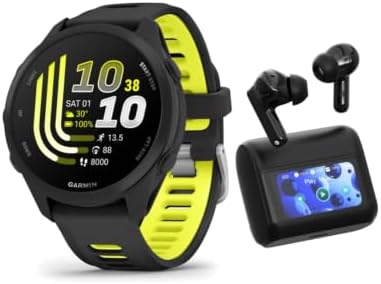
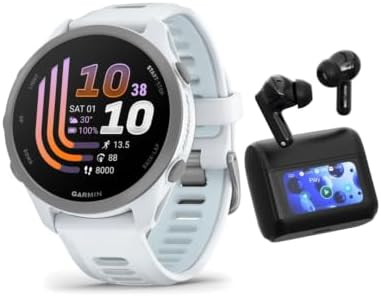
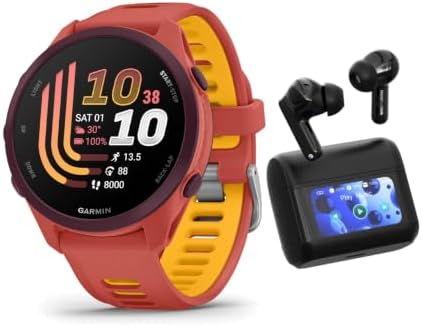
The Garmin Forerunner 170 and the Instinct 3 share a parent company but answer entirely different questions. One is a lightweight running instrument tuned for pace, cadence, and race-day readiness. The other is a reinforced outdoor tool built to survive rock, rain, and multi-day exposure. This guide is written as a permanent buying reference: it isolates the specifications that actually change a purchase decision, explains the trade-offs in plain terms, and helps match the watch to the way you move through the world.
| Feature & Selling Point | Garmin Forerunner 170 | Garmin Instinct 3 (45mm AMOLED) |
|---|---|---|
| Primary Design Intent | Running and multi-sport performance | Rugged outdoor and tactical utility |
| Case Material | Fiber-reinforced polymer | Fiber-reinforced polymer with metal-reinforced bezel |
| Display Technology | 1.3-inch color display (33.1 mm diagonal) | AMOLED display |
| Physical Dimensions | 42.0 x 42.4 x 12.6 mm | 45 mm case diameter |
| Weight | 37.2 g | Heavier rugged build |
| Smartwatch Battery Life | Up to 14 days (5 days always-on) | Up to 18 days |
| GPS-Only Battery Life | Up to 26 hours | Extended multi-day tracking |
| Built-in Flashlight | Not featured | Yes, integrated LED |
| GNSS Support | GPS-only GNSS mode | Multi-band GNSS with SatIQ |
| Music Storage | Yes (Music edition) | Yes, with music capability |
| Training Metrics | Advanced running dynamics focus | Comprehensive outdoor and fitness tracking |
| Durability Standard | Standard sport-watch durability | Military-grade ruggedness |
| Ideal User Profile | Road runners and triathletes | Hikers, climbers, and outdoor adventurers |
| Key Selling Point | Lightweight, focused running performance | Rugged utility with AMOLED clarity and flashlight |
| Display Always-On | Yes, with reduced battery life | Yes, AMOLED always-on mode |
| Best Use Case | Daily training and race day | Multi-day treks and harsh environments |
The table makes the split obvious. The Forerunner 170 wins on weight and running-specific training data, while the Instinct 3 wins on battery endurance, satellite precision, and survivability. The flashlight and metal-reinforced bezel are not cosmetic touches; they are the kind of features that matter when a hike runs long or a storm rolls in. The Forerunner 170’s 37.2 g body and 26-hour GPS mode are the kind of numbers that matter when a marathon turns into a personal record attempt.
Athletic Focus: The Garmin Forerunner 170 Philosophy
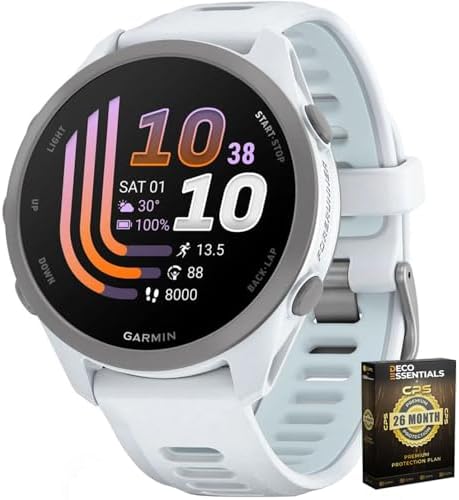
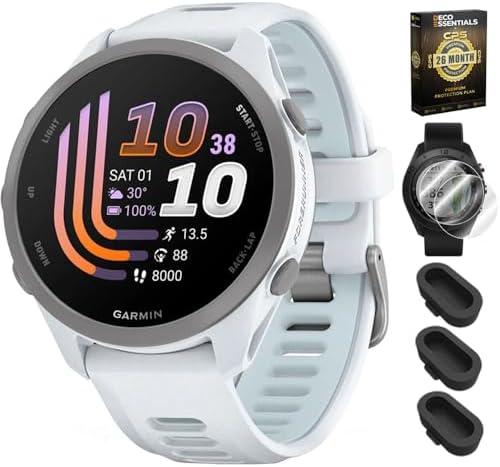
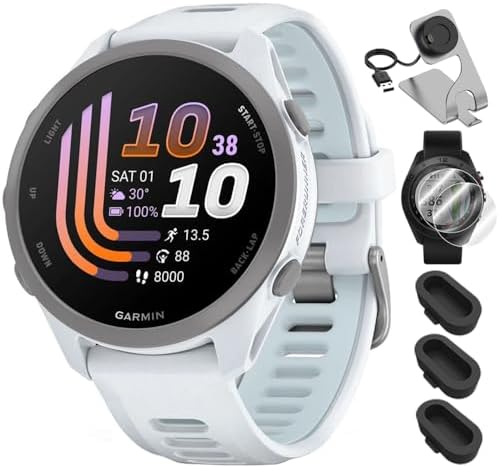
The Forerunner line has always been about removing friction between the runner and the data. The Forerunner 170 continues that tradition with a fiber-reinforced polymer case that keeps the watch at 37.2 g, a figure that becomes noticeable over long distances. Its 42.0 x 42.4 x 12.6 mm profile is designed to sit close to the wrist, reducing the chance of snagging on clothing or gear during a run. The 1.3-inch display offers a 33.1 mm diagonal, providing ample space for pace, heart rate, and interval data without requiring a larger case.
Battery performance reflects the watch’s athletic priorities. In smartwatch mode, the Forerunner 170 provides up to 14 days of use, or five days with the always-on display enabled. When GPS is active, it delivers up to 26 hours of tracking, which is sufficient for most marathon and ultra-distance events. This balance favors daily wearability and race-day reliability over extended expedition use. For runners who train consistently and charge their watches weekly, this is a practical specification.
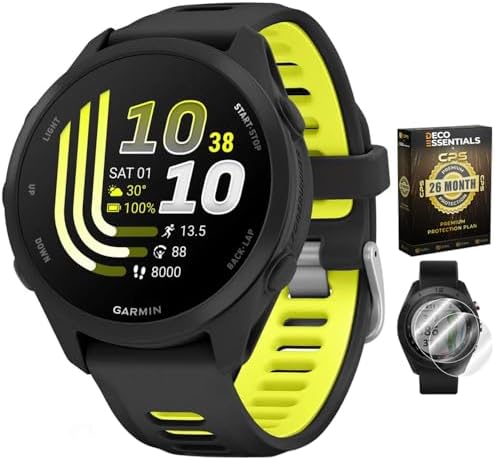
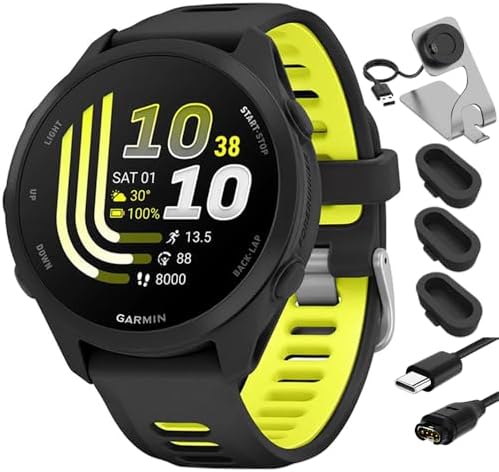
The Music edition of the Forerunner 170 adds on-watch music storage, a feature that reduces the need to carry a phone during training. This variant is distinguished by its Black/Amp Yellow colorway, which pairs a dark case with a high-visibility accent. For those who prefer to run without a phone but want audio motivation, the Forerunner 170 Music edition is a direct match for that requirement. The watch also supports GPS-only GNSS tracking, which is adequate for road running and familiar routes.
Rugged Resilience: The Garmin Instinct 3 Identity
The Instinct 3 takes a different path. Its 45 mm case is built around a fiber-reinforced polymer body with a metal-reinforced bezel, a construction that prioritizes impact resistance. The AMOLED display brings a level of clarity and color richness that traditional monochrome outdoor watches cannot match, and the always-on mode ensures that time and data remain visible without a wrist gesture. The watch is designed for users who encounter rocks, branches, and unpredictable weather, where a delicate screen would be a liability.
The integrated flashlight is a standout feature that distinguishes the Instinct 3 from most running-focused watches. This LED light serves as both a utility tool for finding gear in the dark and a safety beacon during evening activities. Battery life in smartwatch mode reaches up to 18 days, and the watch supports multi-band GNSS with SatIQ technology, which dynamically selects the most efficient satellite system for the environment. This is particularly valuable in dense forests or mountainous terrain where signal acquisition can be challenging.
For those who split their time between trail running, hiking, and everyday wear, the Instinct 3 lineup offers a level of durability that aligns with a more demanding outdoor lifestyle. Garmin’s own product pages list the Instinct 3 as offering up to 18 days in smartwatch mode on the AMOLED 45 mm variant, along with extended GPS-only tracking on certain configurations. These figures underscore the watch’s capacity for extended use without frequent charging, a critical factor for multi-day adventures.
Design and Wearability: Two Approaches to the Wrist
The Forerunner 170’s dimensions of 42.0 x 42.4 x 12.6 mm and 37.2 g weight make it one of the more unobtrusive GPS watches available. This lighter profile is advantageous for runners who wear the watch 24/7, including during sleep tracking. The fiber-reinforced polymer case is durable enough for daily wear but does not carry the same visual heft as a metal-bezeled watch. The band size ranges from 115 mm to 180 mm, accommodating a wide range of wrist sizes without requiring a separate strap purchase.
The Instinct 3’s 45 mm case is visibly larger, and the metal-reinforced bezel adds a touch of visual toughness that appeals to outdoor enthusiasts. The AMOLED display is a significant upgrade over earlier Instinct models, offering deeper blacks and better contrast in bright sunlight. However, the larger size and more robust build mean the watch is more likely to be noticed on the wrist and may not suit those who prefer a minimalist look. The trade-off is clear: the Instinct 3 offers greater visual presence and perceived durability, while the Forerunner 170 prioritizes discretion and lightness.
For anyone exploring the broader range of durable outdoor watches, Garmin’s lineup includes models that bridge the gap between running and rugged use. The Instinct family sits at the more robust end of that spectrum, while the Forerunner series remains focused on athletic performance metrics. This distinction helps clarify which watch is better suited to a given user.
Feature Priorities: What Each Watch Does Best
The Forerunner 170 is built around running dynamics and training metrics. It supports GPS-only GNSS tracking, which is sufficient for most road and track workouts. The watch does not include a built-in flashlight, a feature that is increasingly common in outdoor-focused models but is less critical for road runners. The Music edition adds on-device music storage, which is a practical benefit for those who want to leave their phone at home during runs. The watch’s 1.3-inch display is bright enough for outdoor use and provides clear visibility of pace, distance, and heart rate data.
The Instinct 3, by contrast, includes a built-in flashlight, multi-band GNSS with SatIQ, and a metal-reinforced bezel. These features are designed for users who venture into environments where a wrong turn or a sudden storm can turn a simple hike into a more serious situation. The AMOLED display is readable in direct sunlight and can be dimmed for low-light use. The watch also supports music storage, making it a capable companion for longer efforts where entertainment or audio cues are desired. The Instinct 3 45mm AMOLED model is the specific configuration that combines these features in a single package, offering the visual clarity of AMOLED with the toughness of a reinforced bezel.
Both watches share Garmin’s broader ecosystem, including compatibility with the Garmin Connect app for data syncing, activity review, and training load analysis. Neither watch is positioned as a premium luxury item; both are tools designed for specific activities. The choice between them is not about which is better in absolute terms, but about which tool matches the job at hand.
Purchase Criteria: Deciding Between the Two
The decision framework for these two watches can be reduced to a few key questions. First, consider the primary activity. If the majority of training takes place on roads, tracks, or treadmills, the Forerunner 170’s lighter weight and running-focused metrics are likely the more practical choice. The 37.2 g weight is a tangible advantage during long runs, and the 26-hour GPS battery life covers most race distances. If the primary activity involves trails, hiking, climbing, or multi-day expeditions, the Instinct 3’s rugged build, integrated flashlight, and multi-band GNSS support are more relevant.
Second, consider the charging routine. The Instinct 3’s up to 18-day smartwatch mode and extended GPS battery life on certain models reduce the frequency of charging, which is beneficial for users who spend multiple days away from power sources. The Forerunner 170’s 14-day smartwatch mode is still generous by smartwatch standards, but it assumes a more regular charging habit. For users who prioritize low-maintenance ownership, the Instinct 3 has an edge.
Third, consider the visual and tactile experience. The AMOLED display on the Instinct 3 is a noticeable upgrade for those who value screen clarity and color. The Forerunner 170’s display is functional and bright but does not offer the same level of contrast. The Instinct 3’s metal-reinforced bezel adds a sense of solidity that some users prefer, while others may find the Forerunner 170’s simpler polymer case more comfortable for continuous wear.
Fourth, consider music and phone independence. Both watches offer music storage in their respective music-capable configurations, but the Forerunner 170 Music edition is specifically designed for runners who want audio without a phone. The Instinct 3 also supports music, making it a viable option for outdoor enthusiasts who want entertainment during longer efforts. The choice here depends on which activity profile dominates.
Final Considerations for the Long-Term Owner
Long-term ownership of either watch involves regular software updates, which Garmin provides through its Connect platform. Both watches benefit from the same ecosystem of third-party apps and watch faces, though the Instinct 3’s AMOLED display may show richer visuals. The Forerunner 170’s lighter weight may translate to fewer strap replacements over time, as the watch is less likely to catch on gear. The Instinct 3’s rugged construction may reduce the risk of case damage in rough environments, but the AMOLED display is still a glass surface that requires reasonable care.
Resale value and long-term durability are also considerations. The Instinct series has a reputation for surviving harsh conditions, which may appeal to buyers who prioritize longevity. The Forerunner series is often updated on a more frequent cadence, which can affect the perceived longevity of older models. Neither factor should dominate the decision, but they are worth acknowledging for buyers who plan to keep their watch for several years.
The final decision rests on a simple principle: match the tool to the task. The Garmin Forerunner 170 is a specialized instrument for runners who value lightness and focused training data. The Garmin Instinct 3 is a rugged outdoor companion for those who need durability, visibility, and utility in unpredictable environments. Both watches serve their intended users well, and neither is a compromise if the user’s priorities align with its design intent. The best choice is the one that disappears into the background during the activities that matter most, providing data and reliability without drawing attention to itself.