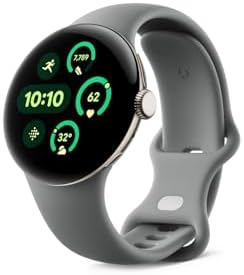
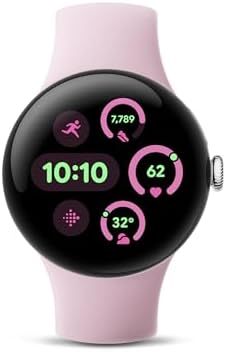
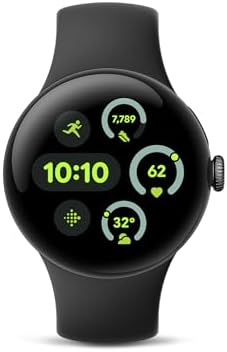
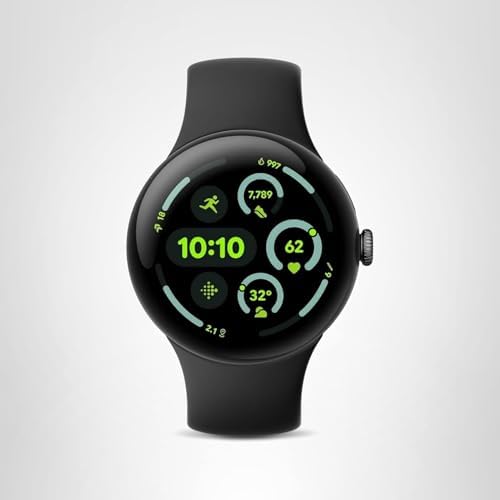
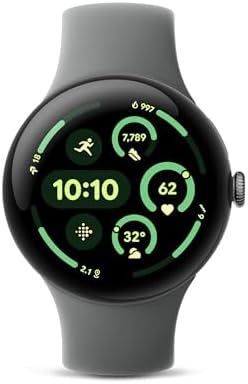
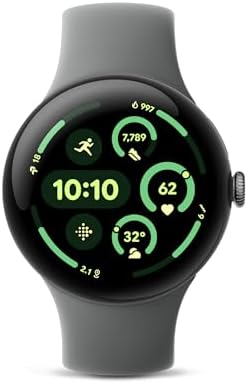
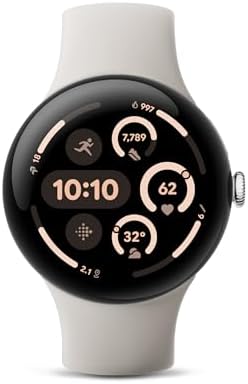
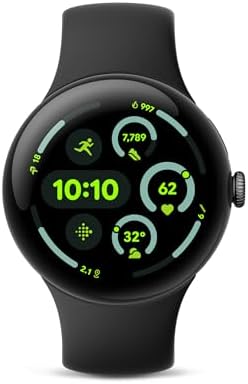
Two wearables from the same corporate parent take sharply different paths. The Google brand’s Pixel Watch 3 packs a full smartwatch experience into a rounded dome, while the Fitbit Sense 2 strips things back to health tracking with a week-long battery. This guide serves as a decision framework for buyers weighing which device better matches their daily needs, exercise habits, and budget expectations.
| Feature & Selling Point | Google Pixel Watch 3 | Fitbit Sense 2 |
|---|---|---|
| Display Brightness | Actua 360, up to 3,000 nits | AMOLED, standard brightness |
| Battery Life (Typical) | Up to 30 hours with always-on display | Up to 7 days |
| Extended Battery Mode | Not specified | Up to 48 hours with Battery Saver |
| Processor | Qualcomm Snapdragon W5 Gen 2 | Cortex-M55 co-processor |
| Water Resistance | IP68 | IP68 |
| Available Case Sizes | 41mm and 45mm | Single size (39.2 x 25.5 x 11.5 mm) |
| Operating System | Wear OS with Google apps | Fitbit OS (limited third-party apps) |
| GPS | Built-in GPS | Built-in GPS |
| ECG App | Yes | Yes |
| SpO2 Monitoring | Yes | Yes |
| 24/7 Heart Rate Tracking | Yes | Yes |
| Stress Management Tools | Fitbit stress suite included | cEDA sensor, stress tools built-in |
| Subscription Requirement | Google Health Premium optional | 3-month Google Health Premium included |
| Design Philosophy | Rounded dome, premium finish | Slim, minimalist profile |
| Primary Use Case | Full smartwatch experience | Dedicated health monitoring |
| Target User | Users wanting apps and connectivity | Users prioritizing battery and health focus |
The most consequential differences emerge in battery life, processing power, and ecosystem flexibility. The Pixel Watch 3 delivers a richer smartwatch experience but demands near-daily charging, while the Sense 2 extends runtime to a full week and keeps health tracking as its central purpose. These trade-offs define the remainder of this comparison.
Battery Life and Charging Routine
The fundamental divide between these two devices appears in how often each requires a charger. The Pixel Watch 3 runs up to 30 hours with the always-on display enabled, which means most owners charge it every night alongside their phone. That routine suits users who already dock devices before bed and do not mind a daily ritual.
The Sense 2 takes a different path, offering up to seven days of typical use and up to 48 hours in Battery Saver mode. According to Google, this extended endurance results from the Cortex-M55 co-processor handling low-power tasks while the main display stays off. For sleep tracking specifically, the Sense 2 holds a decisive advantage because it can monitor an entire night without draining the battery below usable levels. Users who want continuous sleep and stress data without overnight charging will find the Sense 2 aligned with that requirement.
Display Quality and Outdoor Visibility
Google rates the Pixel Watch 3 Actua 360 display at up to 3,000 nits, a figure that places it among the brightest wearable screens available. This matters for runners and cyclists who check metrics in direct afternoon sunlight. The 41mm and 45mm case options also let buyers match the watch to wrist size and personal style, a flexibility the Sense 2 does not offer with its single 39.2 x 25.5 x 11.5 mm form factor.
The Sense 2 uses an AMOLED panel that delivers crisp text and vivid colors but does not advertise the same peak brightness. In practice, the Sense 2 remains readable outdoors, yet the Pixel Watch 3 pulls ahead when glare becomes intense. This distinction influences the purchase decision for outdoor athletes more than for desk-based users who check notifications indoors.
Health Sensors and What Each Device Tracks
Both watches share a common foundation in Fitbit’s health platform. The Fitbit Sense 2 Health and Fitness White GPS includes an ECG app, SpO2 monitoring, 24/7 heart rate tracking, and a cEDA sensor for stress management. Those tools make it a dedicated health instrument first and a smartwatch second.
The Pixel Watch 3 carries the same Fitbit health suite but layers it into Wear OS. That means ECG, SpO2, and heart rate monitoring coexist with Google Maps, Wallet, and third-party apps. The health data lands in the same Google Health app either way, so the measurement quality should be comparable.
The real divergence is what happens after the data is collected. The Sense 2 presents health metrics through a focused interface, while the Pixel Watch 3 lets users act on that data with apps that request a ride, control smart home devices, or reply to messages. Buyers should ask whether they want a health tracker or a wrist computer, because that answer determines which device feels correct.
Software Ecosystem and Daily Utility
Wear OS gives the Pixel Watch 3 access to thousands of apps, including navigation, music streaming, and productivity tools. The Snapdragon W5 Gen 2 chipset supports responsive performance across these tasks. For Android phone owners, the integration runs deep, with Fast Pair, Find My Device, and seamless handoff between devices.
The Sense 2 operates on a more restricted platform. It handles notifications, timers, and Fitbit Pay, but does not support a broad app library. This limitation is intentional, as the device targets users who want fewer distractions. Someone who checks email constantly will feel constrained, while someone who wants step counts and heart rate zones without app clutter will appreciate the simplicity.
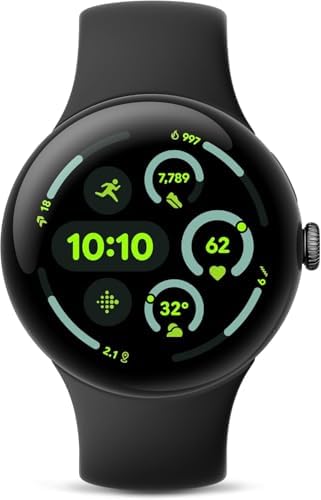
The Google Pixel Watch 3 (45mm) Matte Black Aluminum occupies the premium tier with its larger case and Wi-Fi connectivity. Buyers choosing this configuration accept the shorter battery life in exchange for a fuller smartwatch experience. The Sense 2 speaks to a different priority: consistent health tracking with minimal charging burden.
Design, Fit, and Wearability
The Pixel Watch 3 features a rounded dome design that gives it a distinctive silhouette on the wrist. The 45mm version provides more screen area for reading notifications and workout stats, though smaller wrists may prefer the 41mm option. Aluminum construction keeps the weight reasonable for all-day wear.
The Sense 2 adopts a slimmer, more understated profile at 39.2 x 25.5 x 11.5 mm. Its lightweight build makes it easy to forget during sleep, which supports the overnight tracking use case. The single-size approach simplifies the buying decision but removes the ability to size up or down. Neither design is objectively superior; the choice hinges on whether the wearer values a bold screen presence or a discreet health companion.
Making the Purchase Decision
Choosing between the Google Pixel Watch 3 and the Fitbit Sense 2 comes down to how the buyer weights three factors: battery life, app access, and health focus. The Pixel Watch 3 suits Android users who want a full smartwatch with health tracking included. It rewards those who charge nightly and value apps, calls, and navigation on the wrist.
The Sense 2 suits buyers who prioritize multi-day battery life, sleep tracking, and stress management without the complexity of a full app ecosystem. It delivers the core health metrics that matter most and asks for a charge only once a week.
Both devices represent Google’s commitment to integrated health tracking across its wearable lineup. The decision is not about which watch is better in absolute terms, but about which set of trade-offs aligns with the rhythm of daily life. A week-long battery and a focused health dashboard serve one kind of user; a vibrant display, rich app support, and deep Android integration serve another. Identifying which profile fits is the final step before purchase.