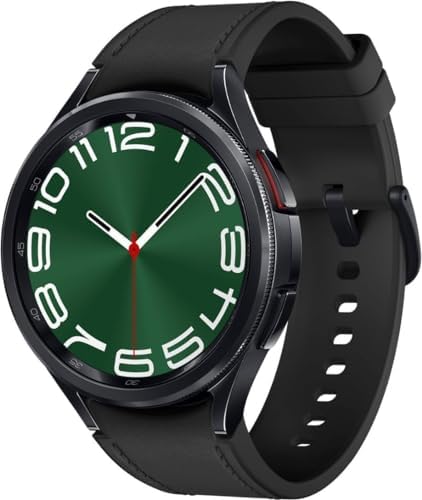
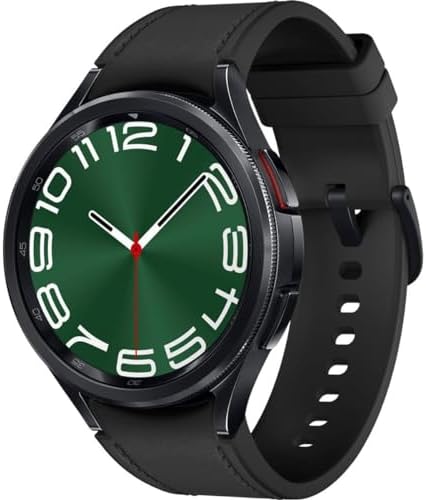
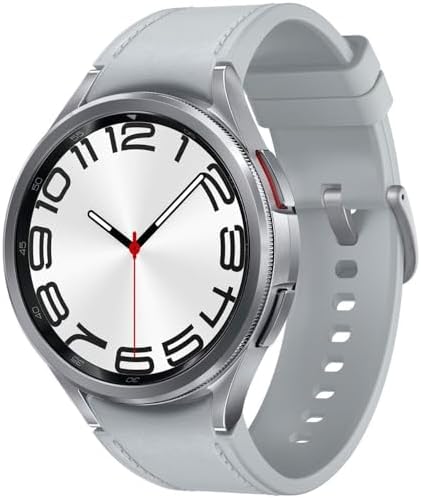
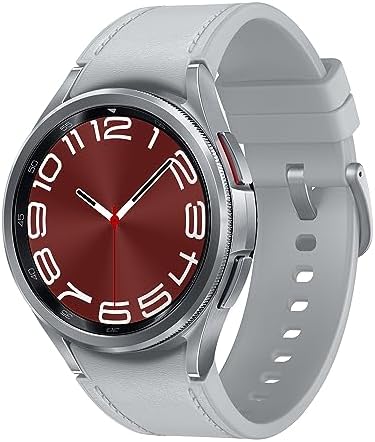
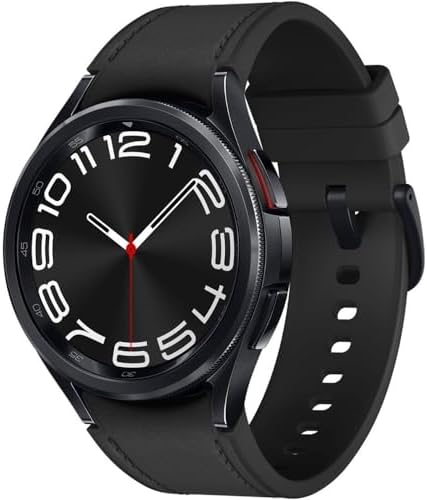
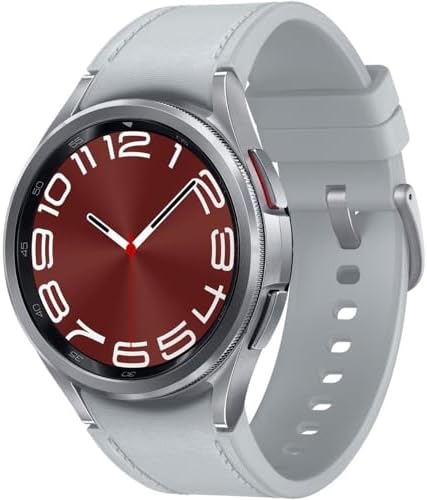
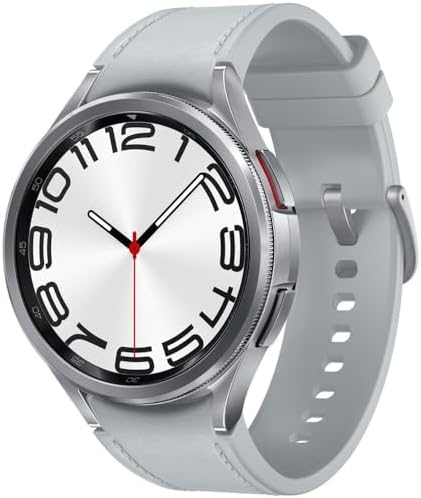
The Galaxy Watch8 Classic and the Galaxy Watch9 sit at two ends of Samsung’s current smartwatch thinking. One carries a stainless-steel body and a physical rotating bezel; the other trims mass, simplifies the case, and pushes battery capacity upward. This guide is built to be kept and used at the point of purchase, because the gap between these two families is not a marketing gap but a genuine fork in how a watch is worn, operated, and charged. The right answer depends on whether finger-driven navigation and stainless-steel presence outweigh low weight and longer runtime.
| Feature and Selling Point | Galaxy Watch8 Classic | Galaxy Watch9 |
|---|---|---|
| Case size options | 46mm | 40mm (as listed by the brand) |
| Case material | Stainless steel | Aluminium-class lightweight body |
| Weight | 59g to 63.5g depending on configuration | 23g (40mm model, per Samsung) |
| Thickness | Chunkier cushion-profile case | 9.0mm (per Samsung) |
| Navigation control | Physical rotating bezel plus Quick Button | Touch bezel and on-screen controls |
| Battery capacity | Smaller cell than the Watch9 | 390mAh on the 40mm model |
| Battery generation gain | Previous-generation capacity | 20\% larger than the prior model, per Samsung |
| Health monitoring | Sleep Coaching, Running Coach, Energy Score | 24/7 monitoring with the same coaching suite |
| Lug and strap system | Dynamic Lug System for reduced wrist gap | Standard slim-profile lugs |
| Wrist presence | Large, jewellery-like statement | Discreet, near-sleeve-friendly |
| Glove and wet-hand operation | Physical bezel remains operable | Touch input required |
| Night and sleep wear | Heavier on the wrist overnight | Low mass suits continuous wear |
| Durability focus | Stainless steel resists scuffs and dings | Lighter alloys trade some impact resistance |
| Best-fit buyer | Buyers wanting a traditional watch feel | Buyers wanting maximum comfort and runtime |
| Core trade-off | Mass and battery versus tactile control | Lightness versus hands-on navigation |
The table exposes the decision in one line: the Classic asks the wearer to carry more metal in exchange for a bezel that can be turned without looking, while the Watch9 asks the wearer to give up that physical dial in exchange for 23g of mass and a 20\% capacity gain over its predecessor. Everything else in this comparison flows from those two choices.
Why the Rotating Bezel Still Decides the Purchase
Samsung brought the rotating bezel back on the Watch8 Classic, and the company pairs it with the Quick Button, a dedicated hardware key that shortcuts into frequently used functions. That combination matters more than a spec sheet suggests, because it changes how a watch is operated rather than how it looks. Scrolling through notifications, adjusting volume, or moving between widgets can be done with a thumb while the other hand stays occupied, and the interaction does not depend on the screen registering a swipe correctly.
Touch bezels work well in dry, calm conditions. They become less reliable with wet fingers, gloved hands, or a screen smeared with sunscreen. The physical ring on this model sidesteps that entirely, which is why the tactile control scheme appeals to swimmers, cyclists, and anyone who has fought a touchscreen mid-workout.
The trade-off is not abstract. A steel bezel and a stainless-steel cushion case add real weight. Samsung’s own community documentation lists the Watch8 Classic at between 59g and 63.5g depending on the configuration, which is more than double the mass of the 40mm Watch9. Over a full day, and especially overnight, that difference is felt.
The Watch9 Case: Lighter, Thinner, and Built for All-Day Wear
Samsung lists the Watch9 40mm model at 9.0mm thick and 23g, with a 390mAh battery. Read together, those numbers describe a watch designed to disappear on the wrist. A 23g body barely registers during sleep tracking, and a 9mm profile slides under a shirt cuff without snagging. Samsung states that the Watch9 carries a 20\% larger battery than the previous model, and its support documentation positions the device around 24/7 monitoring rather than occasional wear.
This is the practical argument for the lighter family. Health features only pay off when the watch stays on through showers, sleep, and low-activity afternoons. A watch that feels heavy at 2 a.m. tends to end up on the nightstand, and no amount of coaching software compensates for missing data.
Health Features Shared Across Both Families
Sleep Coaching, Running Coach, and Energy Score appear across both lines, so software alone does not separate them. The distinction sits in continuous wear: the Watch9 logs more complete overnight data because it is easier to keep on, while the Classic offers the same tracking in a heavier package that some wearers remove before bed.
Charging Rhythm and Battery Reality
A larger cell does not create infinite runtime, and a smaller cell does not necessarily mean daily charging anxiety. Both watches land in the same general routine of charging alongside a phone, but the Watch9’s extra capacity buys margin on heavy GPS days, when running or hiking sessions can cut a smartwatch charge substantially. For users who train outdoors several times a week, that margin is the difference between a comfortable evening and a hunt for the charger.
Case Material, Build, and Long-Term Wear
The Watch8 Classic uses stainless steel, and the choice is visible in hand. Steel holds a polish, resists everyday knocks, and develops a patina of small marks that reads as tool-like rather than worn out. The Dynamic Lug System on the Classic is a quieter engineering detail: it reduces the gap between case and strap so the watch sits flatter against the wrist, which partly offsets the mass penalty of the heavier body. That design work is worth noting, because a large steel watch that fits badly becomes uncomfortable within hours.
The Watch9 takes the opposite route. Lower-density materials keep the weight down to 23g and support the slim 9.0mm profile, but lighter alloys generally concede some impact resistance compared with steel. For office wear, gym sessions, and daily commuting, that trade is reasonable. For jobs involving hard edges, door frames, or equipment, the steel Classic provides more reassurance. The decision here is less about prestige and more about the environment the watch will live in.
Sizing, Fit, and Who Each Watch Suits
Case geometry drives wrist fit more than diameter alone. The Classic’s 46mm cushion-shaped steel case has a broad, flat presence, and it reads large on narrow wrists. Its stainless-steel construction plus the rotating bezel gives it the visual weight of a conventional sport watch, which is precisely the appeal for buyers who find typical smartwatch designs insubstantial.
The Watch9 in 40mm is the compact option. Samsung’s listed weight of 23g and thickness of 9.0mm put it in a category that works comfortably on smaller wrists and under fitted sleeves. Anyone who has previously avoided smartwatches because they felt bulky has a direct reason to look here, and the compact end of Samsung’s current lineup deserves a place on any shortlist built around comfort.
There is also a practical ownership angle. A heavier watch presses on the wrist during sleep and can interfere with typing at a desk. A lighter watch becomes forgettable, which is exactly the goal for continuous health tracking. Neither approach is superior in isolation; they serve different daily routines.
Which Buyer Should Choose Which Watch
The Classic suits the buyer who wants a smartwatch that behaves like a watch. If turning a bezel to scroll a message feels more natural than swiping glass, if stainless steel is preferred to polymer, and if a 46mm case reads as proper wrist presence rather than excess, this is the model to choose. It is also the stronger pick for cold-weather or waterside activity, where gloves or wet hands make a physical control ring genuinely useful.
The Watch9 suits the buyer who prioritizes wearing comfort and runtime. Anyone who sleeps with a watch, trains frequently, or simply dislikes heavy objects on the wrist will get more consistent data from the lighter design. The 390mAh cell on the 40mm model and the stated 20\% capacity increase give it more headroom for GPS-heavy days, and the 23g mass makes overnight tracking far less intrusive.
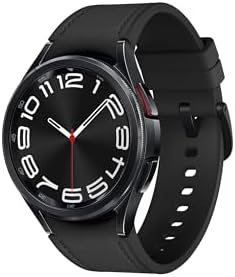
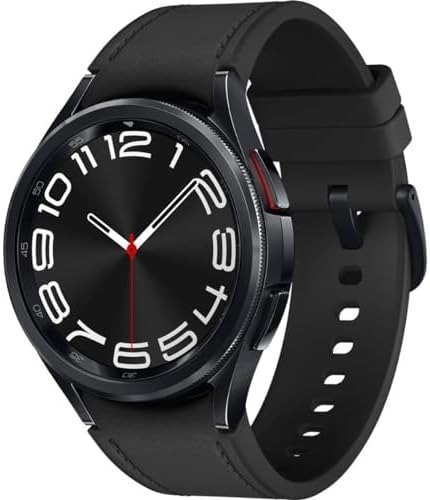
In practice, the honest recommendation is a question of removal habits. A watch that is taken off at night delivers poor sleep data regardless of its software. A watch that is worn continuously justifies its price. Buyers who know they will keep it on should favor the lighter model; buyers who treat a watch as wrist jewellery and navigation tool should favor the Classic. For a concrete anchor on the heavier side, consider the Samsung Galaxy Watch 8 Classic (2025) Black 46mm Bluetooth, which carries the bezel, the Quick Button, and the steel case in one package.
Samsung’s own positioning supports this split. The company markets the Classic around its rotating bezel and tactile feel, and the Watch9 around all-day health monitoring and a bigger battery. Neither claim cancels the other, and buyers who understand which of the two matters more to their routine will find the choice straightforward.
Final Criteria Before Committing
Three checks settle most of these decisions. First, wear the case size for a full day, including overnight, before committing; mass only reveals itself after hours. Second, confirm whether the physical bezel will genuinely be used or merely admired, because it is the Classic’s entire reason to exist. Third, calculate how often GPS training sessions occur, since that is where the battery gap between the two families becomes visible.
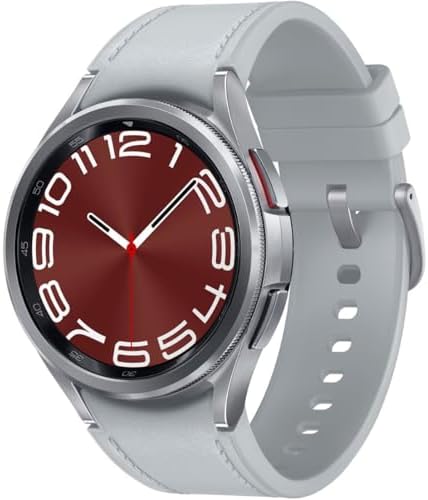
Buyers leaning toward the lighter side can compare the compact configuration directly through the Samsung Galaxy Watch 9 40mm International Graphite, which represents the Watch9 formula at its most compact. It is a fair reference point precisely because it makes no attempt to imitate the steel Classic.
What remains is a lineage question, and the lineage is not difficult to trace. The Samsung brand’s smartwatch range has spent several generations balancing two instincts: making a watch that looks and feels like a traditional timepiece, and making a wearable light enough to forget. The Watch8 Classic and the Watch9 are simply the clearest expression of each instinct so far, and choosing between them is less about picking the better watch than about deciding which of the two instincts should govern daily wear.