The Google Fitbit Air enters the wearable market as a screenless band focused on unobtrusive health and wellness tracking, while the Oura Ring 4 takes a fundamentally different path by condensing biometric sensors into a finger-worn ring. This comparison is designed as a buying guide worth saving, because the table below maps the decision points that genuinely shape ownership: sensor placement, data access, charging habits, and the daily physical demands each format imposes on the wearer.
| Feature and Selling Point | Google Fitbit Air | Oura Ring 4 |
|---|---|---|
| Wearing Position | Wrist, band-worn | Finger, ring-worn |
| Display | Screenless, app-reviewed data | No display, app-reviewed data |
| Band and Fit System | Swappable bands with microadjustable closure | Fixed ring sizing, size number locked at purchase |
| Exercise Suitability | Workout-friendly band materials | Less common for high-grip or heavy-lift sessions |
| Charging Method | Cable-based charging, band swaps | Dedicated charging dock with USB-C cable |
| Sleep Tracking Fit | Wrist-based overnight wear | Discreet finger-based overnight wear |
| Companion App | Fitbit app and services | Oura App and analytics |
| Accessory Ecosystem | Replacement bands, loop straps | Charging docks, resizing costs |
| Daily Friction | Low, band stays on through workouts | Moderate, ring removal for charging and lifting |
| Best Suited To | Active users wanting a smartwatch-free wrist option | Users who prefer nothing on the wrist |
The table reveals that the decisive difference is not a single sensor specification but the wearing position itself. A band on the wrist alters how you train, sleep, and dress, while a ring on the finger changes what you notice throughout the day. That trade-off matters more than any individual metric claim, and it should anchor every purchase decision between these two devices.
What Screenless Design Means for the Google Fitbit Air
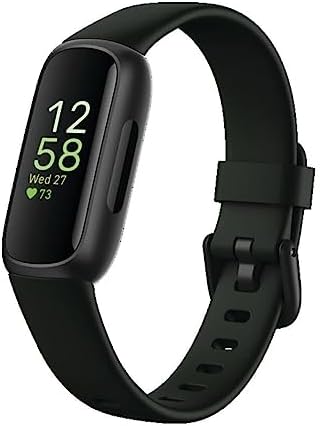
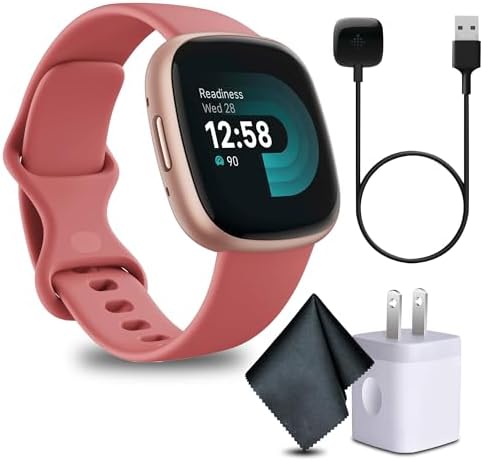
Google positions the Fitbit Air as a screenless device built for effortless health and wellness tracking, a design choice with practical consequences that extend well beyond a clean aesthetic. Removing the display eliminates the habit of wrist-raise notifications, and in exchange the device communicates everything through the Fitbit app. That shapes a different relationship with data: it is reviewed after the fact rather than in the moment, which suits wearers who want tracking to fade into the background.
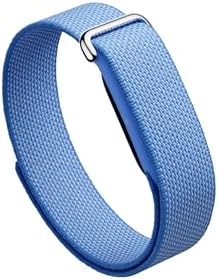
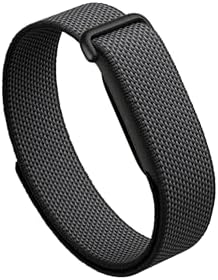
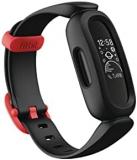
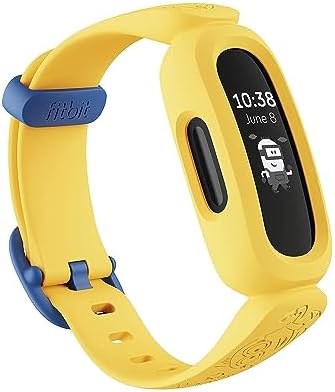
The wrist-based location offers its own advantage. A band sits where most people already wear something, so adding a sensor means swapping an existing strap rather than adopting an unfamiliar body-worn format. For exercise, the natural pairing is a dedicated loop band, and the Google Fitbit Air Performance Loop Band uses polyester, nylon, and elastane yarn with a microadjustable closure, which matters during workouts where a loose band degrades reading quality. That level of strap integration is a genuine argument for the wrist format among active users.
Why the Oura Ring 4 Chooses the Finger
The Oura Ring 4 occupies the opposite extreme of body-worn sensing. A finger offers a different vascular profile, and for many wearers a ring disappears into dress codes and sleep habits entirely, which is why Oura has built its identity around discreet continuous tracking rather than workout performance on the wrist. The ring format does, however, introduce a purchasing decision the wrist format avoids: sizing is locked at purchase, and resizing means choosing a different number and often absorbing additional cost.
Charging is where ring ownership changes routine. The Oura Ring 4 Charger – Size 8 – Charging Dock and USB-C Cable pairs a charging dock with a USB-C cable, and because the ring must come off to charge, a spare dock is one of the ways Oura owners reduce downtime. The practical lesson for intending buyers is to budget for the accessory ecosystem, not just the ring itself, since charging accessories form a recurring part of ownership cost.
Daily Wearing Trade-Offs and What Each Device Asks of You
The best purchase decision hinges on a single question: which device asks less of you? Wrist-based bands tend to be more practical for gym sessions because band materials are easier to clean and swap, whereas rings risk the annoyance of removal for gripping exercises. Sleep is the opposite case, as a ring is inaudible and unnoticeable on many wearers in ways a band is not. Neither format wins universally; the deciding factor is the shape of your own day.
- Wrist wearers: The Fitbit platform offers the convenience of an ecosystem familiar to anyone with a swappable strap.
- Finger wearers: The Oura approach prioritizes discretion over on-body interaction.
- Sport: Band materials handle sweat more directly and can be rinsed after a session.
- Dress codes: A ring typically sits closer to a conventional piece of jewelry.
That list should be read as a decision framework rather than a verdict. The wearer’s tolerance for removing and recharging the device, combined with the workouts that actually form the weekly routine, will usually settle the question faster than any specification sheet.
The Purchase Decision: Which Should You Buy
Buyers should choose the Google Fitbit Air if workouts, band-swapping, and wrist familiarity dominate their routine, since the Fitbit Air is built around a screenless band ethos and the Fitbit brand has a long association with wrist-worn activity tracking. The device rewards users who want continuous wear through training without a display demanding attention.
Choose the Oura Ring 4 if discretion matters more than on-wrist convenience, and the wearer is prepared to accept fixed ring sizing, a dock-based charging habit, and a lifestyle that keeps the ring on for sleep. Those who lift heavy or work with their hands should factor in the probability of taking the ring off, which reduces continuous tracking value and shifts the calculation toward a wrist device.
For the undecided, a useful test is simple: picture the device at night, before bed and after waking. Fitbit Air owners swap bands; Oura owners dock a ring. The one that feels acceptable nightly is usually the right one, and that nightly test predicts long-term satisfaction better than any launch-day comparison.
Both formats point toward the same direction for wearable health, where sensing moves quietly into the background and the interface becomes an app to visit rather than a screen to watch. That shift rewards buyers who choose based on the shape of their own day rather than the spec sheet alone, and it is the clearest signal of where the category is heading next.