The smartwatch market has reached a point where two distinct design philosophies are colliding, and the choice between the Google Pixel Watch 4 series and the Samsung Galaxy Watch 9 collection is a perfect lens through which to view that tension. One side champions a refined, rounded approach with deep Gemini integration, while the other leans into a sharper, more traditional aesthetic with a mature ecosystem. This guide is built for the buyer who wants to look past the surface and understand the real trade-offs between these two flagship wearables.
Choosing a smartwatch today is less about the hardware and more about the experience that the ecosystem delivers. The Pixel Watch 4 series offers a design that prioritizes a smooth, flowing profile and a growing suite of AI-driven features. The Galaxy Watch 9 collection, on the other hand, builds on years of refinement to present a comprehensive health and fitness toolkit. For anyone trying to decide, the table below breaks down the core specifications that matter most.
| Feature & Selling Point | Google Pixel Watch 4 series | Samsung Galaxy Watch 9 collection |
|---|---|---|
| Available Case Sizes | 41mm and 45mm | 40mm and 44mm |
| Display Technology | Actua 360 curved AMOLED | Super AMOLED |
| Peak Brightness | 2,000 nits (claimed) | 2,000 nits (claimed) |
| Processor | Qualcomm Snapdragon W5 Gen 1 | Exynos W1000 |
| Operating System | Wear OS 5 | Wear OS 5 with One UI Watch |
| Battery Life (Rated) | 30 hours (always-on display off) | Up to 40 hours (always-on display off) |
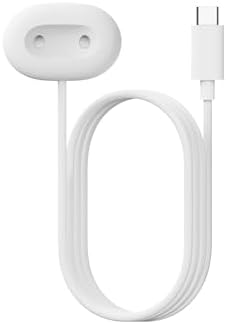
| Charging | Magnetic pogo pin charger | Magnetic wireless charging |
| Water Resistance | 5 ATM / IP68 | 5 ATM / IP68 |
| Health Sensors | Heart rate, SpO2, skin temperature, ECG | Heart rate, SpO2, skin temperature, ECG, body composition |
| Key Differentiating Feature | Gemini AI integration, Fitbit health platform | BioActive sensor with body composition, Samsung Health ecosystem |
| Safety Features | Fall detection, Emergency SOS, Safety Signal | Fall detection, Emergency SOS |
| Case Materials | Recycled aluminum or stainless steel | Armor aluminum or stainless steel |
| Best Suited For | Android users wanting a clean, AI-enhanced experience | Fitness enthusiasts and Samsung ecosystem loyalists |
The table reveals a few crucial battlegrounds. The Galaxy Watch 9 collection holds a distinct advantage with its body composition analysis, a feature that has become a hallmark of Samsung’s health tracking. Meanwhile, the Pixel Watch 4 series leans heavily into the AI promise of Gemini, positioning itself as a smarter, more conversational assistant on the wrist. Battery life estimates also favor Samsung slightly, though real-world usage often narrows the gap. The design language and the underlying ecosystem lock-in remain the most subjective, and often the most decisive, factors.
The Design Philosophy: Organic Curves vs Angular Precision
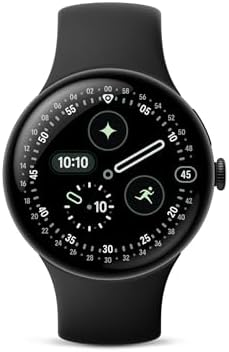
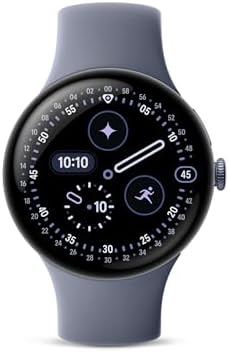
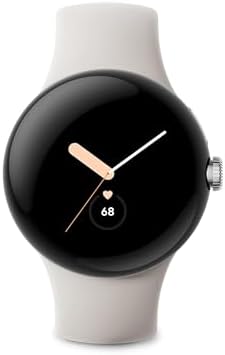
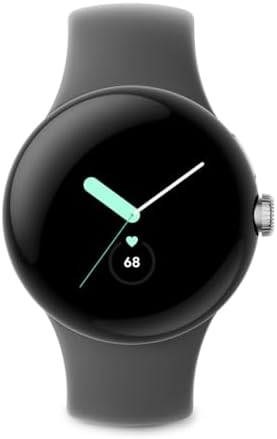
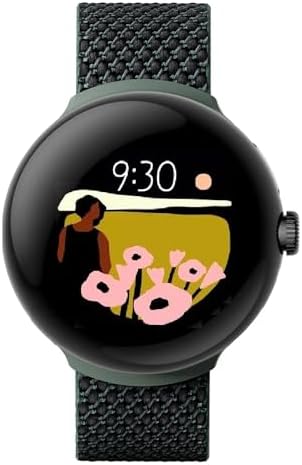
The visual identity of a watch is deeply personal. The Google Pixel Watch 4 (45mm) features a dome-shaped, recycled aluminum case that flows seamlessly into the glass, a design that feels fluid and organic on the wrist. This rounded profile is not just an aesthetic choice; it allows for a comfortable fit that molds to the wrist’s contours, especially during sleep tracking. The lack of sharp edges makes it a discreet companion for round-the-clock wear.
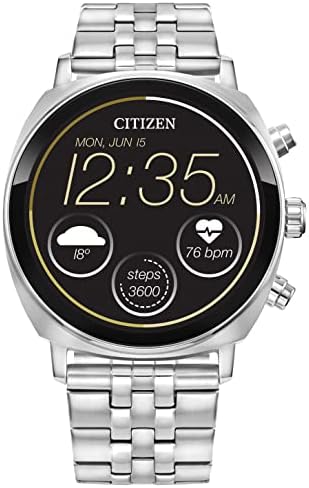
In contrast, the Galaxy Watch 9 collection introduces a refined, slightly more angular aesthetic with a subtler bezel. The introduction of a physical rotating bezel or a touch-sensitive bezel ring remains a signature interaction method. Samsung’s design language is closer to traditional horology, offering a more structured, tool-like appearance. This appeal is aimed at users who appreciate a bit of heft and a more conventional watch look, even while enjoying modern smart features.
Health, Fitness, and the Role of AI
The fitness capabilities of these devices are robust, but their approaches differ. Both watches offer comprehensive heart rate, blood oxygen, and sleep tracking, but the depth of the data and the way it is presented is where the split occurs.
Sensor Depth and Body Composition
The Samsung Galaxy Watch 9 collection includes the BioActive sensor, which can estimate body composition, including skeletal muscle mass, body fat percentage, and body water. This feature is designed for users who are serious about their fitness journey and want metrics that go beyond simple step counts. The accuracy of such a feature is always a point of discussion, but Samsung has been refining this technology for several generations.
The Pixel Watch 4, on the other hand, relies on the deep integration of the Google Fitbit health platform. The Pixel Watch 4 provides a more streamlined health overview, focusing on Daily Readiness, sleep quality, and stress management. While it lacks a body composition sensor, the quality of the insights provided by Fitbit is widely respected. One notable detail is the deep integration of Gemini, which can process natural language queries about your health data, making it a more conversational companion.
Safety and Peace of Mind
Safety features are becoming standard on flagship wearables, but the implementation details matter. The Pixel Watch 4 introduces a feature called Safety Signal, which allows for satellite connectivity for emergency SOS, even if your phone is not nearby. This is a significant advantage for runners or hikers who venture into areas without cellular coverage. The Samsung Galaxy Watch 9 40mm offers robust fall detection and emergency SOS, but its satellite connectivity varies by region and model. For those who prioritize off-grid safety, the Pixel Watch 4 offers a more compelling proposition.
Performance and Battery Life
Under the hood, the Pixel Watch 4 uses the Qualcomm Snapdragon W5 Gen 1, a chipset that balances performance with efficiency. The 2GB of RAM ensures that Wear OS 5 runs smoothly, and the transition between apps and watch faces is fluid. The 30-hour battery life is sufficient for a full day of use, including sleep tracking, but a daily charging ritual is still required.
The Galaxy Watch 9 is powered by the Exynos W1000, a 3nm processor that offers improved efficiency and performance. In day-to-day use, the difference in speed is negligible, but the 3nm architecture allows the watch to process data from the BioActive sensor more efficiently. Battery life on the Galaxy Watch 9 can stretch to 40 hours under light use, which may appeal to users who want to track sleep two nights in a row without charging. However, heavy GPS usage drains both watches quickly.
The Software Ecosystem and the Long-Term Value
The choice between Wear OS 5 on the Pixel Watch 4 and One UI Watch on the Galaxy Watch 9 is a choice between a clean, Google-first experience and a feature-rich, Samsung-first experience. The Pixel Watch 4 offers a more purist Android experience, with timely updates and a seamless integration with Google’s suite of apps. The Galaxy Watch 9, by contrast, comes loaded with Samsung’s own apps for health, reminders, and more, which can be a boon or a bloat depending on your needs. Buyers weighing the two should also consider the Google brand’s broader device ecosystem and the Samsung brand’s connected home and mobile lineup, since each watch is designed to work most closely with phones from its own maker.
Which Smartwatch Should You Choose?
The decision hinges on which ecosystem you already inhabit and what you value most. If you are an Android user who loves a sleek, round design and wants the power of Google’s Gemini AI on your wrist, the Pixel Watch 4 series is an excellent choice. It is also the safer bet for those who prioritize satellite-based emergency features. However, if you are a fitness enthusiast who wants the most comprehensive health data, including body composition, and appreciate a more traditional watch design, the Galaxy Watch 9 collection is hard to beat. Consider the long-term value of the Galaxy Watch 9 collection if you are already a Samsung phone owner, as the synergy between the devices is truly beneficial. Both are excellent timepieces, but they serve slightly different masters. The Pixel Watch 4 aims to be the smartest companion, while the Galaxy Watch 9 positions itself as the most complete fitness coach. Choose wisely, and let your daily routine be the judge.