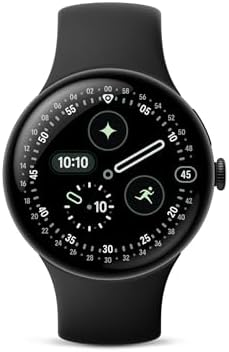
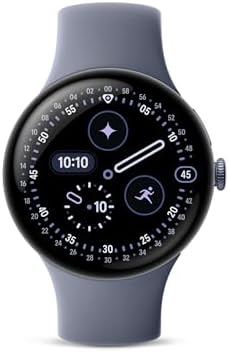
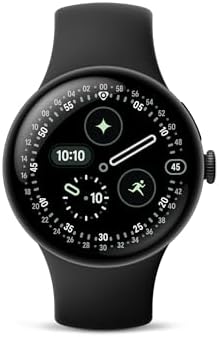
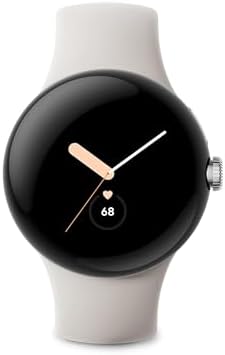
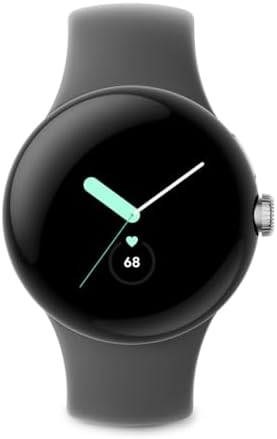
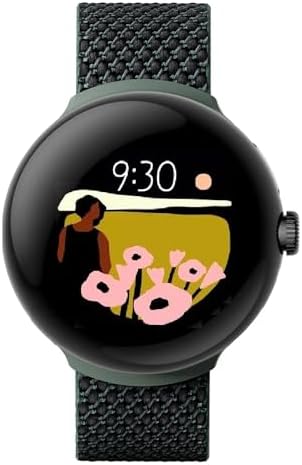
The Google Pixel Watch 4 arrives in two case sizes, and the 45mm version measures just 12.3mm thick while weighing 36.7 grams, a combination that keeps the watch balanced during long training blocks. That profile matters for runners, because a top-heavy or bulky device on the wrist disrupts cadence awareness and becomes noticeable after the first hour on the road. Google has positioned this generation around the idea that a smartwatch should deliver training insight without demanding constant attention, and the hardware numbers support that pitch rather than undercut it.
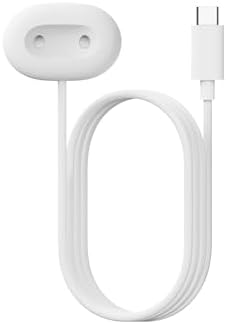
Runner-specific features are where the case for this watch is strongest. Google states that the Pixel Watch 4 offers 30 hours of battery life on the 41mm model and up to 40 hours on the 45mm model, with a fast-charge claim of 15 hours of use from a 15-minute top-up. For anyone who has ever cut a long run short to preserve a dying battery, that ratio changes the daily calculation.
What Makes the Pixel Watch 4 Relevant for Runners
The Fitbit platform sits at the center of the running experience. Rather than treating the watch as a notification device that happens to count steps, Google has built the training workflow around several distinct capabilities that overlap with what runners track across a full week of workouts.
- Running form metrics: Cadence and stride-related feedback intended to help runners identify inefficiencies over time.
- Daily readiness signals: Recovery and sleep data that inform whether a hard session makes sense on a given morning.
- Built-in GPS: Route and pace tracking without tethering to a phone.
- Heart rate monitoring: Continuous optical tracking for effort zones and resting rate trends.
- Gemini integration: On-wrist conversational access for training questions and quick logistics.
The combination has a practical logic. A runner who checks readiness before a tempo session, logs the workout with GPS and heart rate, then reviews cadence afterward is using the watch as a feedback loop rather than a dashboard to scroll. That distinction separates wearables that support training from wearables that simply record it.
Battery Life and Charging in Real Training Weeks
Battery anxiety is the quiet killer of smartwatch training. A watch that needs a daily charge forces a choice between sleep tracking and morning readiness data, and runners who train early tend to skip recovery monitoring first. The Pixel Watch 4 addresses this through capacity rather than efficiency claims alone: the larger case benefits from the extra volume, and the fast-charge figure is the more interesting number.
Fifteen hours of use from fifteen minutes of charging fits the pattern of a runner who showers after a morning run and tops up during that window. It also makes the watch viable for a two-night trip without a cable. For a device in this category, the 45mm Google Pixel Watch 4 is the configuration most aligned with that use case, since the larger case carries the stronger battery rating and the sport band suits training wear.
Charging behavior also shapes the multi-day picture. Runners who pair the watch with a phone for mapping and music can stretch usage by keeping the GPS off during shorter sessions, which makes the headline battery figures a ceiling rather than a requirement. The watch rewards planning without penalizing spontaneity.
Display, Build, and Wearability on the Run
The display specification matters more for a running watch than for a desk watch. Bright conditions are the default outdoors, and readability under direct sun determines whether a mid-run glance yields information or a squint. Google specifies the Actua 360 domed display on this platform with dramatically higher peak brightness than earlier generations, and the domed shape, while contributing to the distinctive lens-like profile, also widens the viewing angle for a wrist turned slightly away from the eye line.
Build considerations follow the same logic. Scratch-resistant glass protects against the wrist-to-fence contact that accumulates over a training season, and the water resistance rating covers sweat, rain, and post-run rinses. The weight figure of 36.7 grams for the 45mm case sits in a range where the watch becomes familiar rather than distracting after the novelty wears off, which is the real test for any training device.
The Platform Question: Android Compatibility and Daily Use
Compatibility deserves plain language. Google specifies that the Pixel Watch 4 works with most phones running Android 11 or newer and requires a Google account plus the Pixel Watch app. That means the watch lives inside the Android ecosystem, and Google’s wider software platform extends from the phone through the watch to the Gemini assistant, creating a continuous data and interaction layer rather than a set of disconnected devices.
The day-to-day implications for runners are straightforward. Notifications for pace thresholds, workout reminders, and recovery prompts arrive on the wrist, and Gemini supports natural-language queries that would otherwise require pulling out a phone mid-session. Whether that convenience justifies the platform dependence depends on which phone is in the pocket, but the integration itself is coherent rather than bolted on.
Training Data and the Fitbit Question
Fitbit’s analytics have long rewarded users who engage with trends rather than single workouts, and the Pixel Watch 4 inherits that framework. Running form metrics sit alongside sleep, resting heart rate, and readiness signals in a single app experience, which makes cross-referencing possible without exporting data. A runner noticing that cadence drops on days following poor sleep can connect the two data points directly within the platform.
The value of that connection is cumulative. Single-workout data tells a runner what happened; trend data tells them why. The Fitbit layer on the Pixel Watch 4 is oriented toward the second question, and the watch’s hardware, with continuous sensors, all-day battery, and an always-present display, exists to feed that analytical habit rather than interrupt it.
Who Should Consider This Watch for Running
The Pixel Watch 4 fits a specific runner profile most naturally. It suits someone who trains several times per week, values recovery and readiness data as much as raw pace, and wants a running watch that looks like a smartwatch on the days it is not on a run. The 45mm variant suits larger wrists and heavier usage patterns where the extra battery capacity matters, while the 41mm case serves runners who prioritize a lower-profile fit.
It is a less obvious choice for runners who depend on multi-day GPS battery life for ultramarathon events, where dedicated sport watches remain the established answer. For the large middle ground of weekday runs, weekend long runs, strength sessions, and a training log that benefits from recovery context, the mix of Fitbit analytics, on-wrist Gemini access, and a display that stays legible in daylight makes a persuasive case. The watch is built for runners who train with intention and want their data to keep pace.