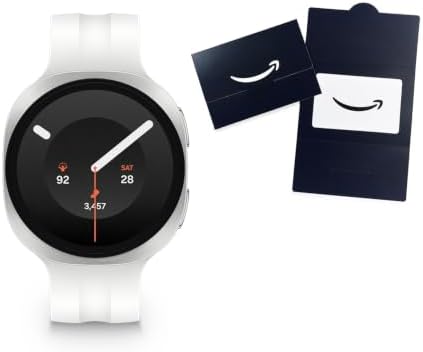
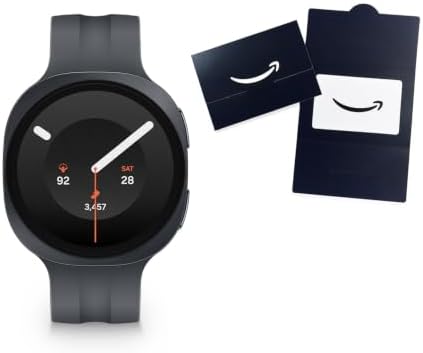
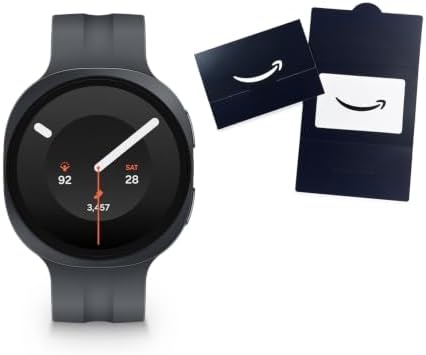
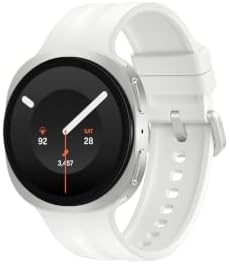
The Garmin Venu 4 and the Samsung Galaxy Watch 9 answer two different questions about what a wrist device should be. One is a training instrument that gained a lifestyle case, the other is a phone companion that gained serious sensors. This comparison is built as a decision tool worth keeping open while weighing listings, because the specifications that separate them only matter once the intended use is fixed. The Garmin Venu 4 series and the Galaxy Watch9 collection are the two families under scrutiny here, and each carries a distinct philosophy into the same wrist space.
| Feature and Selling Point | Garmin Venu 4 | Samsung Galaxy Watch 9 |
|---|---|---|
| Smartwatch-mode battery | Up to 10 days on the 41mm case | Roughly one to two days of typical use |
| GPS recording endurance | Multi-hour outdoor sessions with SatIQ | A few hours of continuous tracking |
| Case sizes | 41mm and 45mm | 40mm and 44mm |
| Display panel | Bright AMOLED, always-on option | AMOLED, always-on option |
| Built-in flashlight | Yes, with red light mode | No dedicated light hardware |
| Recovery metrics | Body Battery and HRV status | Energy score and sleep coaching |
| ECG app | Garmin ECG app included | ECG plus wellness sensors |
| Satellite positioning | Multi-band GNSS with SatIQ | Dual-band GPS |
| Speaker and microphone | Calls and voice assistants | Calls and voice assistants |
| App store breadth | Curated Connect IQ store | Broad third-party app library |
| Phone integration | Pairs with Android and iOS | Deepest on Samsung Android phones |
| Health platform | Garmin Connect, syncs other Garmin gear | Samsung Health |
| Water resistance | 5 ATM, swim-ready | 5 ATM, swim-ready |
| Charging rhythm | Charged roughly once a week | Charged nearly every night |
| Best suited to | Runners, hikers, multi-day adventurers | Samsung phone owners wanting a connected daily wrist |
| Practical trade-off | Fewer lifestyle apps, less phone-like interface | Frequent charging, reduced independence from a phone |
The row that reshapes every other decision is endurance versus integration. Garmin quotes up to 10 days of smartwatch mode on the 41mm Venu 4, a figure that changes how a training week is planned. The Galaxy Watch 9 spends its energy on a richer app layer and tighter phone coupling. Everything that follows unpacks that split in practical terms, so the table above should be read as the opening argument rather than the verdict.
Two Definitions of What a Wrist Device Should Do
The Garmin brand’s history runs through handheld navigation and endurance sport, and the Venu 4 carries that inheritance into a lifestyle case. Activities recorded on a cycling computer or a running watch flow into the same Garmin Connect account, so a single training picture forms across devices. The interface puts health metrics first and messaging second. Garmin positions the 41mm variant as a daily-wear model that still retains serious monitoring depth, pairing an AMOLED panel with a speaker and microphone for calls and voice assistants.
The Samsung collection starts from the phone. Widgets, notifications, quick replies, and third-party apps sit near the centre of the experience, and the health suite follows the watch rather than leading it. Neither design is wrong. The question is which one matches the wearer’s day. Someone who checks messages constantly and rarely leaves the city will feel at home with the Samsung. Someone who runs before work and hikes on weekends will notice the Garmin’s stamina within the first week of ownership.
Battery Life as a Primary Buying Criterion
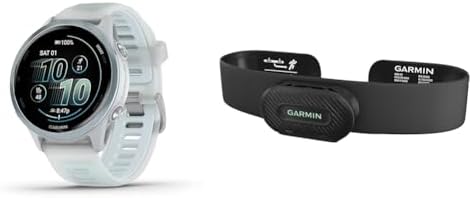
Garmin’s published figures place the Venu 4 in a separate endurance class. Smartwatch mode reaches up to 10 days on the 41mm variant, and the SatIQ automatic GNSS mode extends GPS recording well beyond a single outing. Those numbers change the daily ritual: no overnight charging, no anxiety on a two-night work trip, no interrupted tracking mid-hike. On the smaller case, the Garmin Venu 4 41mm Advanced Health Gold GPS Smartwatch is quoted with that 10-day figure, still several times the endurance of a mainstream smartwatch and genuinely practical for slimmer wrists.
The Galaxy Watch 9 lands in the familiar one-to-two-day bracket. That is the accepted rhythm of a fully featured wearable with a bright display, an always-on mode, deep app support, and continuous sensor sampling. The trade-off is honest rather than accidental: the energy goes into what the watch shows and runs. The mental test for buyers is simple. If the watch is expected to sleep on the nightstand every night, the Samsung fits naturally. If it is expected to survive a week of backpacking and still sync every morning, the Garmin is the only one of the two that plays that role without a power bank.
Health Monitoring: Load and Recovery Versus Sleep and Coaching
Garmin’s health layer is built around physical load. The Venu 4 includes Body Battery energy monitoring, heart rate variability status, sleep tracking, and the Garmin ECG app, which records a reading in roughly 30 seconds according to Garmin’s own description of the feature. Training readiness pulls those signals together to answer a practical question: is today a day to push, or a day to recover? For runners, cyclists, and hikers, the value is that the watch adapts day by day rather than reporting a single morning score, and the interpretation is embedded in the watch and connected to the platform that holds other Garmin device data.
Samsung’s approach leans toward sleep quality and general wellness. The Galaxy Watch 9 uses an energy score to summarise readiness and pairs it with detailed sleep-stage and coaching features that frame recommendations in plain language rather than training terminology. That suits people who want guidance without a coach’s vocabulary. The ECG function is present on both devices, so the differentiator is not the headline sensor but the reporting philosophy. Garmin reports to an athlete; Samsung reports to a user. Buyers who find Garmin’s charts daunting should look closely at the Samsung before deciding, and buyers who find Samsung’s advice too general should do the reverse.
Display, Build, and Everyday Wearing Comfort
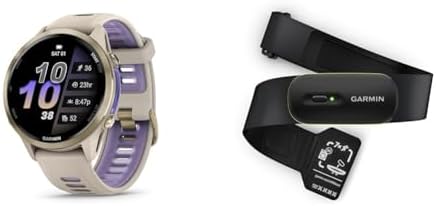
Both watches use an AMOLED panel with an always-on option, so the visual gap is smaller than marketing suggests. What separates them is the hardware surrounding the screen. The Venu 4 collection adds an LED flashlight with four brightness levels and a red light mode on supported models, a small inclusion that becomes oddly valuable on early runs, on campsites, and in dark hotel rooms. The 41mm and 45mm case sizes cover slender and broad wrists, and the Lunar Gold with Bone Silicone Band finish shows how far Garmin has moved from purely technical styling.
The Galaxy Watch9 lineup is offered in 40mm and 44mm cases, matching the same preference for two clear sizes. Its construction and finish choices sit closer to the premium watch aesthetic, with a display-forward design and a tactile interaction that feels more like operating a phone than a fitness tool. Both devices carry a 5 ATM water resistance rating, so swimming is covered in either case. The real difference in daily use is the interface: Garmin’s software favours data fields and readable training screens, while Samsung’s favours cards, widgets, and app surfaces.
Navigation, Apps, and Ecosystem Fit
Outdoor capability is where the Garmin pulls ahead for users who travel off-road. The Venu 4 supports multi-band GNSS with SatIQ auto-select, which balances accuracy against battery drain automatically, and Garmin itself quotes the resulting endurance figure. This matters on tree-covered trails and in urban canyons where single-band positioning drifts. The connectable app environment is deliberately narrow, but the trade is a focused system with fewer distractions and a consistent layout across models.
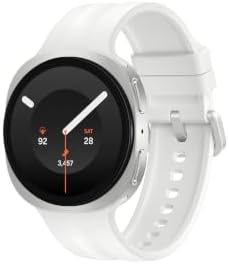
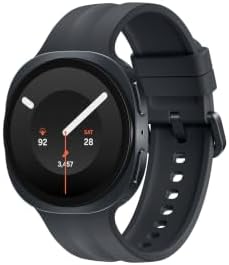
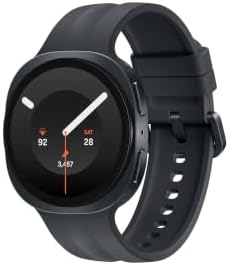
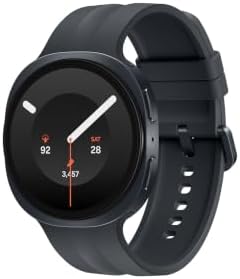
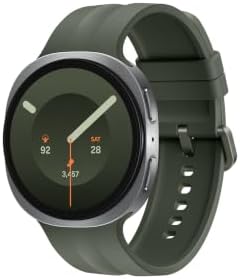
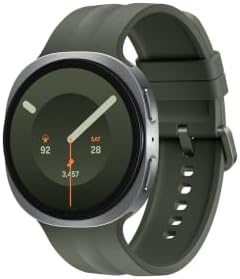
Samsung’s advantage runs in the opposite direction. The Samsung Galaxy Watch 9 40mm International Graphite Smartwatch is designed to pair most deeply with Samsung Android phones, where notifications, calls, and health data integrate with minimal setup. The broader app store also means more third-party titles, more watch faces, and more companion utilities. Users on iOS still receive a solid experience, but the richest features stay on Samsung’s own phones. That single fact should eliminate months of second-guessing for anyone committed to the Galaxy ecosystem, and it should push anyone outside it toward the Garmin.
Which Watch Belongs on Which Wrist
The decision collapses into a short set of profiles. Runners training toward a race, hikers planning multi-day routes, and anyone who resents a nightly charging ritual should choose the Garmin. The 41mm version suits slimmer wrists, while the 45mm version maximises its already impressive battery life. Samsung phone owners who value quick replies, broad app support, and a health summary delivered in conversational language should choose the Galaxy Watch 9, in 40mm or 44mm depending on wrist size. Buyers who split their time between a gym and an office, and who already use other Garmin devices, gain extra value from the shared data platform.
The less obvious audience is the one that usually ends up disappointed. That is the buyer who wants marathon-grade battery life and also expects a rich third-party app library. No single device in this pair delivers both, and a week with either will make that clear. Setting the priority before comparing listings, rather than after, is the difference between a watch that is enjoyed for years and one that is quietly left on a charger. The right choice is the one whose compromises are already acceptable on day one.