The Garmin Vivoactive 6 and the Garmin Venu 3S share a family resemblance but answer two different questions about what a daily smartwatch should be. One leans toward long stretches between charges and a lighter footprint, while the other leans toward a smaller case, a sharper presentation, and a more jewelry-like presence on the wrist. This guide is built as a permanent reference for that decision, organized around the criteria that actually change how a watch feels day to day and how often it ends up on the charger.
| Decision Dimension | Garmin Vivoactive 6 | Garmin Venu 3S |
|---|---|---|
| Smartwatch Battery Life | Up to 11 days (5 days always-on) | Up to 5 days |
| Battery Saver Mode | Up to 21 days | Up to 1 additional week in watch mode |
| GPS-Only Battery | Up to 21 hours | Not specified in the same configuration |
| Case Size | Standard fitness-watch case | 41mm |
| Display Type | AMOLED | 1.2-inch AMOLED touchscreen |
| Bezel and Finish | Sport-oriented composite build | Soft gold stainless steel bezel |
| Charging Method | Garmin proprietary plug charger | Garmin proprietary plug charger |
| Health Metrics Suite | Steps, calories, intensity minutes, VO2 max | Full Garmin health and wellness suite |
| Training Focus | Activity and fitness tracking emphasis | Lifestyle and wellness emphasis |
| Wrist Presence | Light, sporty, understated | Dressier, smaller, more jewelry-like |
| Best Suited To | Frequent training and infrequent charging | Smaller wrists and everyday styling |
| Band Compatibility | Quick-release sport bands | Quick-release bands in silicone and leather |
| Ownership Trade-Off | Longer runtime, larger footprint | More frequent charging, refined look |
| Purchase Criteria | Battery endurance above all else | Case size and finish above all else |
The table makes the central tension obvious: the Vivoactive 6 wins on runtime by a wide margin, while the Venu 3S wins on case size and finish. Everything else in this comparison flows from those two facts, and a buyer who resolves which one matters more has effectively already made the decision.
Battery Endurance as the First Decision Filter
Garmin lists the Vivoactive 6 at up to 11 days in smartwatch mode, dropping to roughly 5 days with the display always-on, and stretching to about 21 days in battery saver. GPS-only tracking is quoted at up to 21 hours. The Venu 3S, by contrast, is rated at up to 5 days in smartwatch mode with an additional week available in watch mode. Those figures are not close, and they reshape daily behavior rather than merely appearing on a spec sheet.
An 11-day cadence means charging becomes a weekend ritual rather than a recurring interruption. A 5-day cadence means the charger travels in the bag, and a forgotten cable turns into a dead watch on the second morning of a trip. For anyone who tracks sleep nightly, the difference compounds, because a watch that needs charging every few days forces a choice between overnight wear and a topped-up battery. Buyers who know they will resent that trade-off should treat the Vivoactive 6 runtime as the deciding factor and stop reading the rest of the comparison as a tie.
Case Size, Fit, and Who Each Watch Suits
The Venu 3S is built around a 41mm case, paired here with a soft gold stainless steel bezel and a French gray 41mm case on a silicone band. That combination is aimed squarely at smaller wrists and at buyers who want a watch that reads as jewelry first and fitness device second. The 1.2-inch AMOLED touchscreen keeps the interface legible without forcing a large housing, and the stainless bezel gives the watch a finished edge that sport-focused composites cannot match.
The Vivoactive 6 takes the opposite approach. Its case is sized and shaped around activity tracking, with a lighter, more understated presence that disappears under a sleeve and does not compete with a shirt cuff. On a narrow wrist the difference is not subtle: the Venu 3S sits within the wrist line, while a larger sport case overhangs it. Buyers with wrists under roughly 16cm should weigh the Venu 3S heavily for this reason alone, and buyers who split time between the gym and the office should consider whether the gold bezel suits both settings or only one.
Display, Interface, and Everyday Readability
Both watches use AMOLED panels, so the difference is not panel technology but how each is tuned for its purpose. The Vivoactive 6 pairs its display with an always-on mode that costs roughly half the rated battery life, which is a meaningful tax on a watch already chosen for endurance. The Venu 3S uses its 1.2-inch touchscreen in a smaller housing, where the same brightness and contrast read as more refined because the bezel frames them tightly.
In practice, the always-on decision matters more than raw brightness. A buyer who wants a persistent time display should calculate the Vivoactive 6 at its 5-day always-on figure and compare that honestly against the Venu 3S at 5 days without always-on. Suddenly the endurance gap narrows, and the case-size and finish arguments gain weight. This is the single most common miscalculation in this comparison, and it is worth running the numbers before committing.
Health, Training, and the Metrics That Actually Differ
Garmin positions the Vivoactive 6 around daily activity and fitness tracking, including steps, calories burned, moderate and vigorous intensity minutes, and VO2 max. That set covers the core of what most recreational athletes need: a clear read on weekly load, aerobic capacity trends, and whether the easy days are genuinely easy. The Venu 3S carries the broader Garmin health and wellness suite, which is oriented toward all-day monitoring rather than training specificity.
For a runner or cyclist logging structured sessions, the Vivoactive 6 framing is the more useful one, because intensity minutes and VO2 max feed directly into training decisions. For a buyer whose priority is sleep, stress, and body battery style monitoring across a normal working week, the Venu 3S suite covers that ground without asking for a larger case. Neither watch is the wrong choice on features; the question is which metric set matches the buyer’s actual week.
Build, Finish, and Long-Term Wear
The Venu 3S soft gold stainless steel bezel is the detail that separates the two watches most visibly in person. Stainless steel resists the scuffs that accumulate on painted composites and holds a polished edge over years of daily wear, which matters for a watch intended to be worn with a jacket. The Vivoactive 6 favors a sport-oriented composite build that keeps weight down and shrugs off gym contact without cosmetic anxiety.
Band strategy reinforces the split. Both use quick-release bands, but the Venu 3S is designed to accept silicone and leather options that shift it between training and formal settings, while the Vivoactive 6 is at its best on sport bands. A buyer who wants one watch to cover a morning run and an evening dinner should lean toward the Venu 3S and budget for a second strap. A buyer who wants a training tool that never needs fussing over should lean the other way.
Charging Routine and Travel Practicality
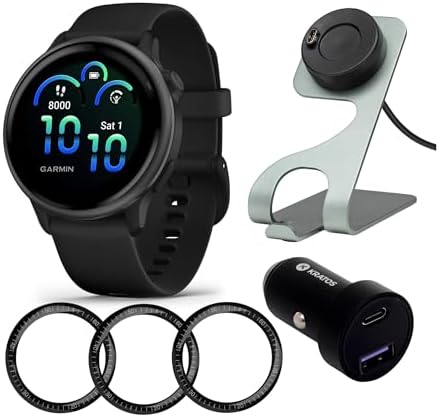
Both watches use Garmin’s proprietary plug charger, so cable compatibility is not a differentiator. The cadence is. A 5-day cycle means the charger is a permanent fixture in a bag or on a bedside table, and a short trip without it becomes a planning problem. An 11-day cycle means the charger can stay home for a week-long trip, which is a genuine convenience rather than a spec-sheet nicety.
Buyers who travel frequently or who wear a watch overnight for sleep tracking should weight this heavily. The Venu 3S asks for a charging habit; the Vivoactive 6 asks for almost none. That single behavioral difference often decides the purchase more than any feature list, because a watch that is dead on the wrist delivers no metrics at all.
Who Should Buy the Garmin Vivoactive 6
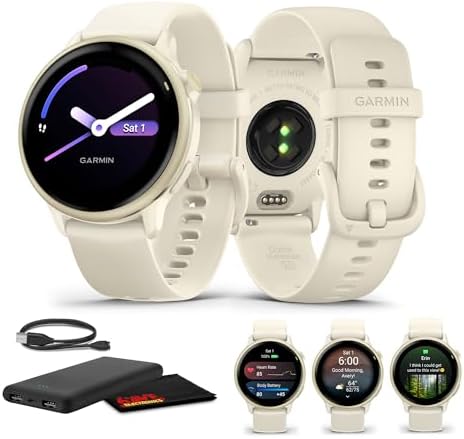
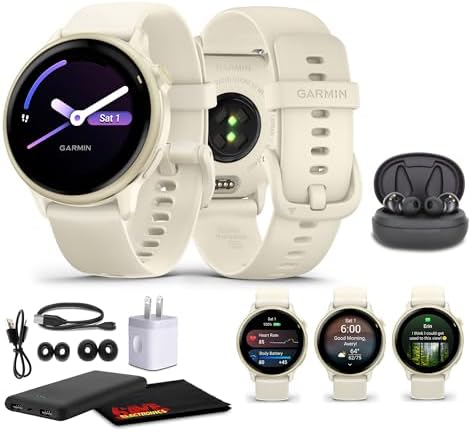
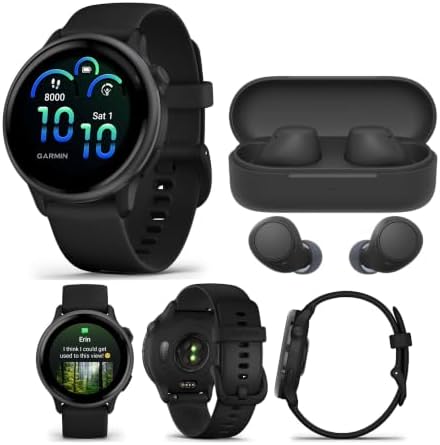
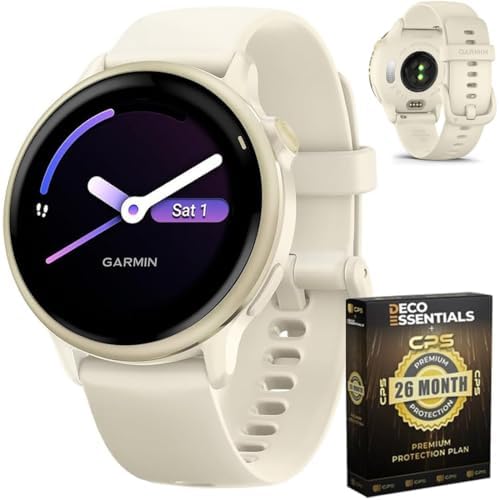
The Vivoactive 6 is the right purchase for a buyer who prioritizes runtime, trains regularly, and wants a watch that disappears on the wrist rather than drawing attention. It suits someone who tracks sleep nightly and refuses to choose between overnight wear and a charged battery, and someone who travels enough that a 5-day charging cycle would become an annoyance. The Garmin v铆voactive 6 Health and Fitness Gold GPS configuration shows how the model is packaged for everyday wear, and buyers comparing the wider lineup can review the Vivoactive 6 range before deciding on a finish.
The trade-off is explicit: a larger, sportier case and a composite build that will never look like a dress watch. A buyer who needs a single watch for formal settings should accept that limitation knowingly rather than discovering it after purchase.
Who Should Buy the Garmin Venu 3S
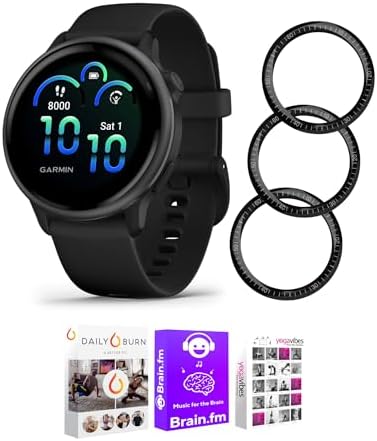
The Venu 3S is the right purchase for a buyer with a smaller wrist who wants a watch that reads as finished jewelry, and who is willing to accept a 5-day charging rhythm in exchange for a 41mm case and a stainless steel bezel. It suits someone whose week is a mix of gym sessions and office days, and who wants one watch to cover both without looking like a training tool at dinner. The Garmin Venu 3S Soft Gold Stainless 41mm configuration illustrates the finish that defines the model, and the broader Venu 3S selection covers the alternative colorways.
The trade-off runs the other way: more frequent charging and a smaller battery reserve, which matters for anyone who tracks sleep every night or travels without a cable. A buyer who can build a charging habit around a fixed weekly slot will not notice the cost; a buyer who cannot should choose the Vivoactive 6 instead.
The Criteria That Decide the Purchase
Three questions settle this comparison. First, how often is the buyer willing to charge? Anything less than weekly points to the Vivoactive 6. Second, what is the wrist circumference? Below roughly 16cm, the 41mm Venu 3S fits better and will be worn more often, which matters more than any specification. Third, does the watch need to pass in formal settings? A stainless steel bezel answers yes; a sport composite answers no.
Buyers who answer all three in favor of endurance and training should take the Vivoactive 6 and stop second-guessing the finish. Buyers who answer in favor of fit and versatility should take the Venu 3S and accept the charger as part of the routine. The Garmin lineup supports both paths, and neither watch is a compromise on the other’s strengths; they are simply built for different owners.
A daily smartwatch is judged by how rarely it asks for attention. The Vivoactive 6 asks almost never and looks the part of a training partner; the Venu 3S asks once a week and looks the part of a watch. Choosing between them is really choosing which of those two sentences should describe the wrist it lives on.