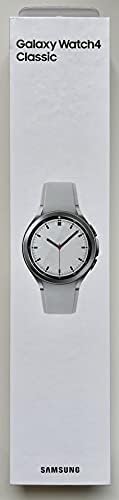
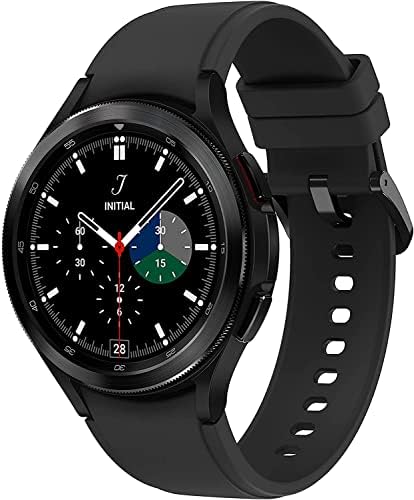
The Galaxy Watch9 series and the Galaxy Watch8 Classic collection represent two diverging answers to the same design question: should a premium Samsung smartwatch chase raw efficiency, or should it preserve tactile hardware control? The Watch9 line leans on a newer Snapdragon Wear platform and a thinner, lighter chassis, while the Watch8 Classic keeps the rotating bezel and a stainless-steel case that many long-time Galaxy users refuse to give up. This guide is written to be saved, because the choice between them comes down to a handful of concrete trade-offs rather than marketing language.
| Decision Dimension | Galaxy Watch9 | Galaxy Watch8 Classic |
|---|---|---|
| Processor platform | Snapdragon Wear Elite | 3 nm Samsung chip |
| Case thickness and weight | Slimmer, lighter build | Fuller stainless-steel case |
| Navigation control | Touch and digital bezel | Physical rotating bezel plus Quick Button |
| Display brightness | Brighter panel | High-brightness AMOLED |
| Strap system | Dynamic Lug bands | Dynamic Lug System |
| GPS accuracy focus | Highly accurate tracking | Standard multi-band GPS |
| Health suite | AI-powered health features | Sleep tracking and running insights |
| Case sizing options | Multiple sizes including 40mm | 46mm focus |
| Build material | Aluminum and steel variants | Stainless steel |
| Wrist presence | Cushion-shaped, modern profile | Timeless, dressier profile |
| Best suited to | Efficiency and training data | Tactile control and formal wear |
| Upgrade argument | New platform generation | Refined rotating-bezel formula |
| Software longevity | Newest Wear OS baseline | Current Wear OS with AI features |
| Ideal buyer profile | First-time or spec-driven buyer | Returning Classic loyalist |
The table makes the split obvious. The Watch9 wins on processing headroom and GPS precision, while the Watch8 Classic wins on physical interaction and material gravitas. Everything below explains how those two advantages translate into a real purchase decision, and where each model asks the buyer to compromise.
What the Snapdragon Wear Elite Platform Changes on the Watch9
Samsung’s own newsroom describes the Watch9 as running on the Snapdragon Wear Elite platform, and frames that chip as a benchmark shift in power, speed, and GPS tracking accuracy. In practice, that means the Watch9 is the model to pick if responsiveness is the thing that annoys you most about older wearables. App launches, map redraws during a run, and the lag between raising your wrist and seeing live heart-rate data all depend on this silicon layer far more than on any single software feature.
The efficiency argument matters just as much. A newer, denser platform generally does more work per unit of battery drain, which is why generation-on-generation battery claims tend to improve even when the cell itself does not grow much. For a buyer weighing the Galaxy Watch9 against the outgoing Classic, the honest framing is this: the Watch9 is the future-proofed pick, and the Watch8 Classic is the known-quantity pick.
The Rotating Bezel Is the Watch8 Classic’s Entire Case
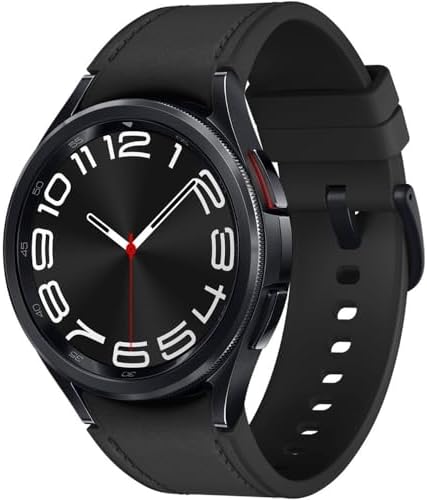
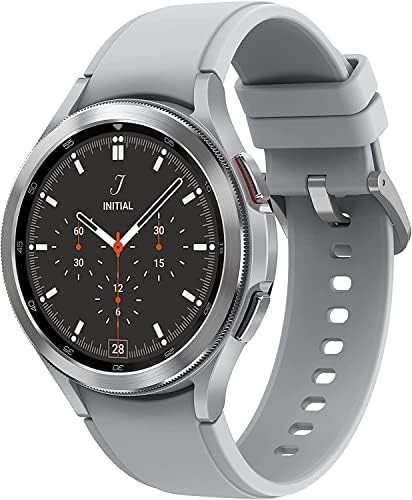
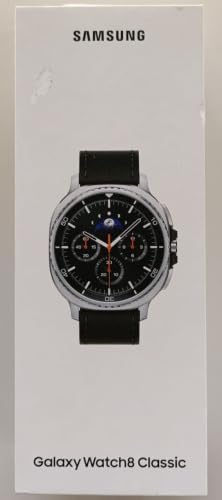
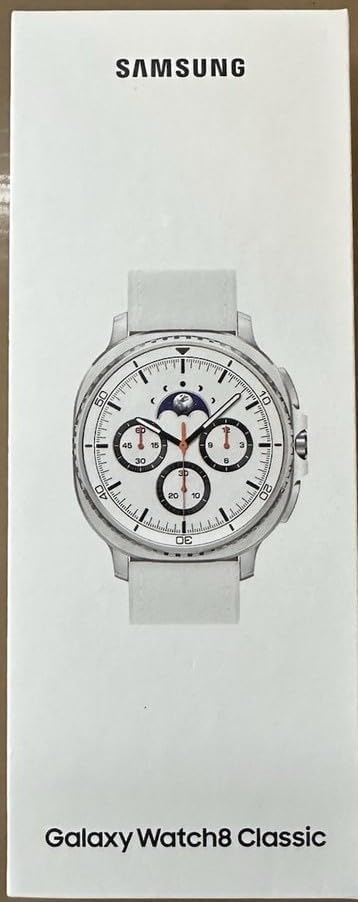
Samsung’s product page for the Galaxy Watch8 Classic leads with the returning rotating bezel and the new Quick Button, and describes the combination as a tactile feel paired with a timeless look. That is not decoration. A physical bezel lets you scroll notifications, adjust volume, and zoom a map without smearing a screen or covering the display with a finger. In rain, with gloves, or mid-workout, that difference is felt every single day.
The Quick Button adds a second hardware shortcut, which reduces reliance on touch targets during activity. Buyers who have used a bezel-equipped Galaxy in the past tend to describe the touch-only alternative as a downgrade, and that sentiment is the strongest single argument for choosing the Classic over the numerically newer Watch9. If you have never owned a rotating bezel, the appeal is real but abstract; if you have, it is usually decisive.
Size, Weight, and the Wrist-Fit Question
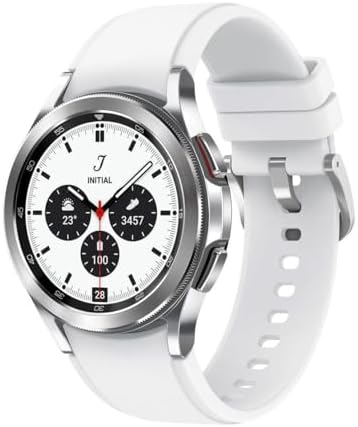
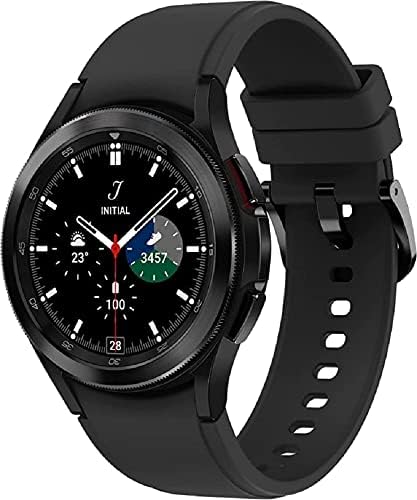
Samsung positions the Galaxy Watch8 as thinner, lighter, and brighter than its predecessors, and the Watch9 follows the same design direction with a cushion-shaped case and Dynamic Lug bands. The Classic, by contrast, carries a fuller stainless-steel body, and Samsung lists it primarily in a 46mm case on the product page referenced above. That single fact reshapes the buying decision for anyone with a smaller wrist.
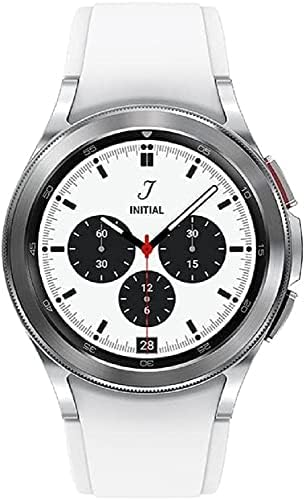
A 40mm option exists in the Watch9 range, and the Samsung Galaxy Watch 9 40mm International Graphite is the variant worth checking first if you have a wrist under roughly 170mm in circumference or you prefer a watch that does not overhang the wrist bone. The Classic’s larger steel case reads as a statement piece, which is precisely what some buyers want and precisely what others want to avoid during sleep tracking or gym sessions.
- Small wrists: prioritize the 40mm Watch9 case before considering the Classic.
- Average to large wrists: the 46mm Classic sits proportionally and reads as a dress watch.
- Sleep tracking: the lighter Watch9 is less noticeable overnight.
- Formal wear: the stainless-steel Classic pairs more naturally with a shirt cuff.
Health Features: Shared Ground, Different Emphasis
Both watches cover the core Samsung health stack, and Samsung’s own materials describe the Watch8 Classic as offering AI-powered features, sleep tracking, and running insights. The Watch9 inherits the same generation of health software, with the platform upgrade mainly improving how quickly that data is processed and displayed rather than adding entirely new sensor categories.
This is where buyers overthink. Neither watch is meaningfully better at counting steps or reading heart rate during steady-state cardio. The meaningful difference is in running insights and GPS fidelity, where the Watch9’s newer platform and Samsung’s stated focus on accurate tracking give it an edge for structured training. If your routine is walking, sleep monitoring, and notification triage, that edge will rarely surface.
Battery, Charging, and Daily Carry
Battery life on either model depends heavily on display brightness, always-on settings, GPS use, and whether LTE is active. The practical guidance is to expect roughly a day of mixed use with always-on display enabled, and closer to two days if you disable it and skip GPS workouts. The Watch9’s more efficient platform should hold up slightly better under identical settings, but the gap is not large enough to justify the purchase on its own.
Charging speed and the magnetic puck ecosystem are shared across the family, so accessories carry over. That matters for anyone upgrading from an older Galaxy Watch: existing chargers and many straps remain usable, which lowers the real cost of switching.
Who Should Buy the Galaxy Watch9
The Watch9 is the right call for buyers who want the longest useful life from a new purchase, who train with structured running or cycling sessions and care about GPS accuracy, or who have smaller wrists and need a 40mm case. It is also the better entry point for anyone coming from a non-Samsung phone or an older Galaxy Watch who has no attachment to the rotating bezel.
The trade-off is honest: you give up physical navigation and the stainless-steel heft. If you have never used a bezel, you will not miss it. If you have, you probably will.
Who Should Buy the Galaxy Watch8 Classic
The Classic is the right call for returning Galaxy users who rely on the rotating bezel, for buyers who wear a watch to an office and want a stainless-steel case that looks appropriate in a meeting, and for anyone who values hardware controls over benchmark scores. It is also the sensible pick if you find the 46mm case size comfortable and you are not chasing the newest chip generation.
The trade-off runs the other way: you accept a heavier body, a larger footprint, and a platform that will age out of major updates sooner than the Watch9. For many Classic loyalists, that is an acceptable price for a watch that feels like a watch rather than a screen on a strap.
The Criteria That Should Decide the Purchase
Strip away the spec sheets and four questions settle it. Do you use the rotating bezel? If yes, buy the Classic. Is your wrist small enough that a 46mm steel case feels oversized? If yes, buy the Watch9 in 40mm. Do you train with GPS and want the most accurate tracking available in the lineup? If yes, buy the Watch9. Do you wear the watch primarily with business attire and want it to look the part? If yes, buy the Classic.
Everything else, including battery estimates, health sensor counts, and software feature lists, falls into the category of near-parity. Buyers who answer all four questions the same way have their answer. Buyers who split across them should weight bezel preference and wrist size above all else, because those two factors affect daily use more than any processor benchmark.
The broader Samsung smartwatch lineup continues to serve both philosophies side by side, which is the healthiest possible outcome for buyers. One branch optimizes for efficiency and data, the other for tactile control and material presence. Choosing between the Galaxy Watch9 and the Galaxy Watch8 Classic is not a question of which watch is better; it is a question of which philosophy you actually wear on your wrist every day.