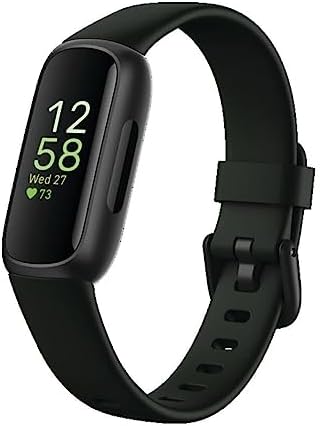
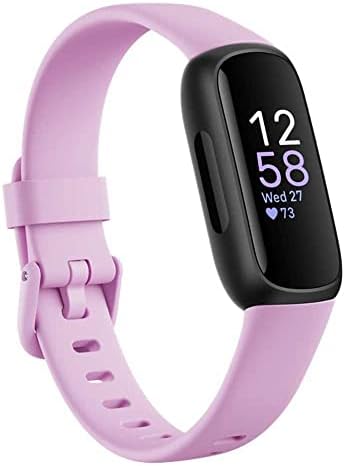
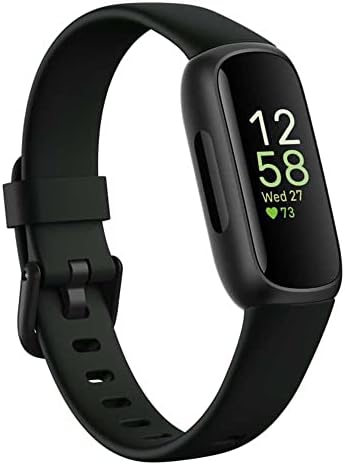
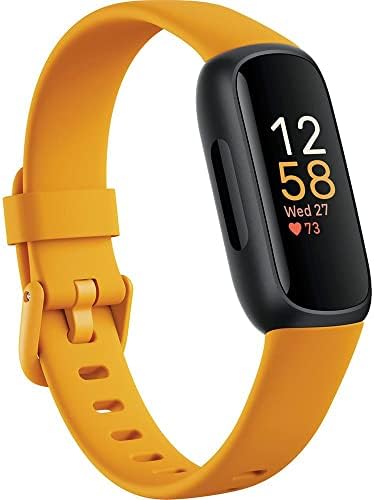
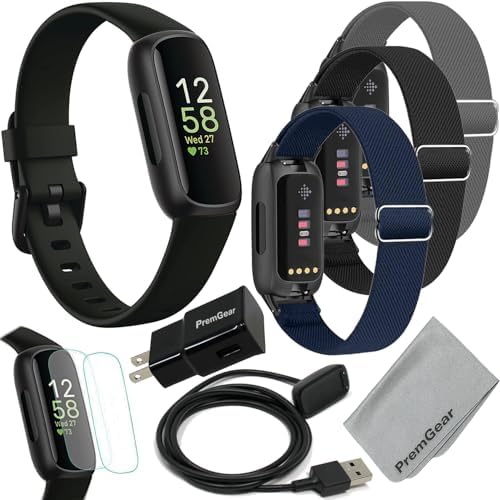
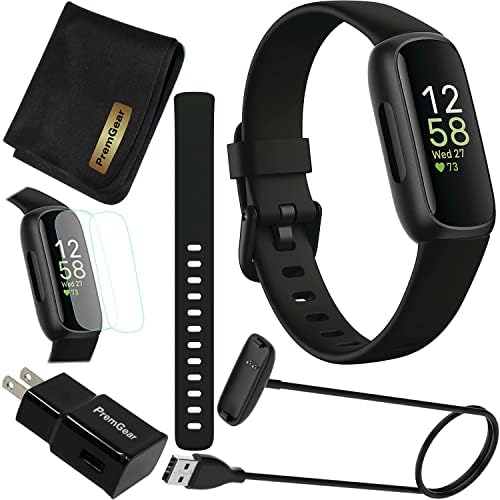
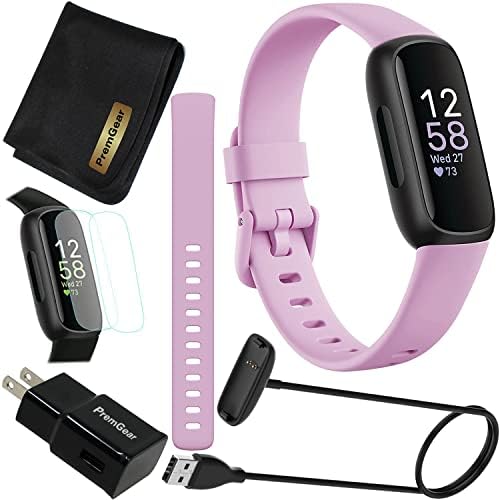
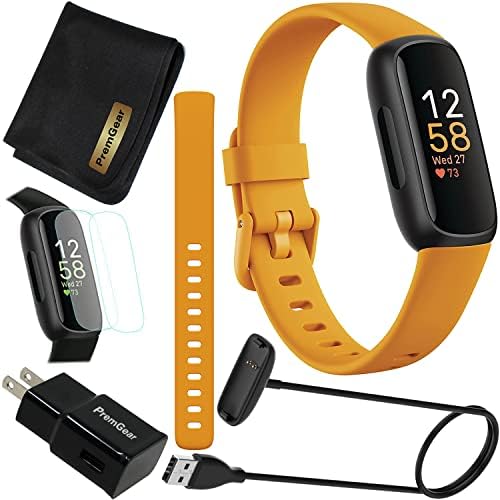
The Samsung Galaxy Fit 3 and the Fitbit Inspire 3 both promise to disappear on the wrist while quietly logging everything from sleep to steps, yet they reach that goal through very different engineering choices. The Galaxy Fit3 collection leans on a large AMOLED panel and an enormous catalogue of workout profiles, while the Inspire 3 range counters with a lighter body and a wellness ecosystem built around interpretation rather than raw numbers. This guide sets both families side by side so the differences that shape daily wear are easy to weigh before committing, and it is written to be kept as a reference for the entire decision.
| Feature & Selling Point | Samsung Galaxy Fit3 | Fitbit Inspire 3 |
|---|---|---|
| Display Panel | 1.6-inch AMOLED, 40mm case | 0.76-inch monochrome OLED |
| Body Weight | 18.5g | Approximately 17.7g |
| Battery Life | Up to 13 days per charge | Up to 10 days per charge |
| Water Resistance | IP68 and 5 ATM, swim-friendly | 5 ATM, swim-friendly |
| Workout Modes | 100+ modes with auto detection | Around 20 exercise modes |
| Heart Rate Sensor | Optical heart rate plus gyro and barometer | 24/7 continuous heart rate monitoring |
| Sleep Analysis | Sleep stages via Samsung Health | Sleep stages, Sleep Score, smart wake |
| Stress and Readiness | Stress score and blood oxygen tracking | Stress management and daily readiness score |
| Phone Compatibility | Android only, Samsung Health | Android and iOS, Fitbit app |
| Connectivity | Bluetooth 5.3 | Bluetooth |
| Customisation | 100+ watch faces | Limited face options, minimal styling |
| Included Membership | None | Three-month Google Health Premium |
| Charging Method | Magnetic proprietary charger | Proprietary charger |
| Best Use Scenario | Android users wanting a display-forward band | Cross-platform wellness and sleep focus |
The table makes the split obvious in two rows. The Galaxy Fit3 wins on screen area and workout breadth, while the Inspire 3 wins on cross-platform freedom and the depth of its sleep and readiness reporting. Everything else, from battery life to water resistance, sits close enough that it will rarely decide the purchase on its own.
Display and Physical Presence in Daily Wear
A band has to earn its place between sleep and a workday, and screen size decides much of that experience. The Galaxy Fit3 carries a 1.6-inch AMOLED panel in a 40mm case, large enough for message previews, workout summaries and watch faces designed for a vertical layout. Samsung treats it as a small smartwatch that happens to sit in band territory. The body weighs 18.5g, light enough to vanish under a shirt cuff yet stable enough to stay fixed during a run.
The Inspire 3 takes the opposite route. Its display is a narrow monochrome panel proportioned for notifications and quick stats rather than decorative faces. The smaller surface makes it one of the lightest options in its class at roughly 17.7g, and the slim, elongated module hugs the wrist in a way that is easy to forget overnight. For sleep tracking in particular, that reduced bulk has real practical value.
Health Tracking and Sensor Suite
Samsung’s band relies on an optical heart rate sensor joined by an accelerometer, gyro sensor and barometer. That barometer is a quiet advantage: it supports elevation-based altitude tracking, flights-of-stairs counting and the auto workout detection logic that identifies activity once enabled. The Galaxy Fit3 tracks more than 100 workouts and daily activities according to Samsung’s own product description, including sleep stages through the night, all presented inside Samsung Health.
The Inspire 3 answers with a wellness philosophy rather than a hardware list. Continuous 24/7 heart rate monitoring sits at the centre, paired with sleep stages, a sleep score, stress management tools and a daily readiness score. The package includes a three-month Google Health Premium membership according to the product listing, which unlocks deeper analysis, guided programmes and a longer historical view of trends. For anyone who wants to understand why a week felt exhausting, the narrative-style reporting on the Inspire 3 is meaningfully different from a raw data dump.
Workouts, Water and the Practical Battles
Exercise variety is where the Galaxy Fit3 states its case most loudly. More than 100 workout profiles, auto-detection and a swim-friendly rating mean the band covers gym circuits, cycling, hiking and pool sessions without adjustment. The SAMSUNG Galaxy FIT 3 2025 40MM Black arrives with IP68 water resistance and a fast charger bundle, making it a practical pick for anyone who trains often and wants the screen to reflect that effort immediately.
The Inspire 3 keeps a smaller, focused set of around 20 exercise modes but adds workout intensity zones and activity zone minutes to its vocabulary. Neither band is a specialist multisport device, yet the Fit3 will recognise unusual activities more readily, while the Inspire 3 makes each session’s effort level easier to interpret against weekly goals. Both carry 5 ATM water resistance, so both handle swimming and showering without ceremony.
Battery Life and Charging Routines
Samsung publishes up to 13 days of battery life on a single charge for the Galaxy Fit3, a figure that comfortably outstrips most smartwatches and sits near the top of the fitness band category. In real use, heavier notification traffic and constant heart rate sampling will shorten that, but the point stands: charging becomes a fortnightly chore rather than a nightly habit. The magnetic proprietary charger is simple to align in the dark, if not universal.
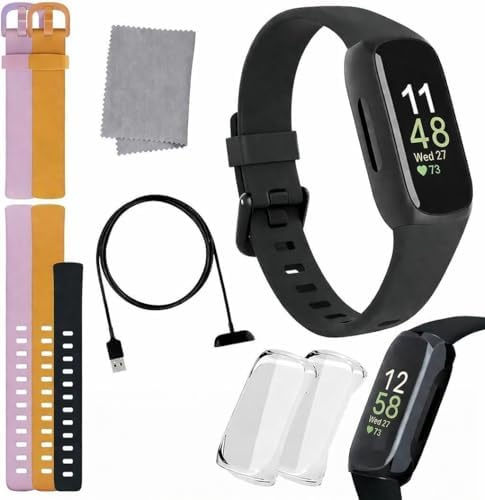
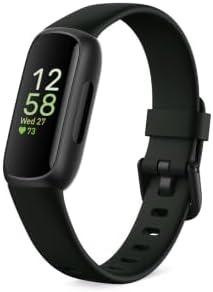
The Fitbit Inspire 3 Health & Fitness Midnight Black is rated at up to 10 days per charge, a shorter window that still keeps a consistent weekly rhythm rather than a daily one. Long workouts with phone-assisted connectivity and always-on settings will erode both claims, but neither device is likely to strand the wearer mid-week. Choosing between them on battery alone is a matter of three or four days, not a change in lifestyle.
Software Ecosystem and Phone Compatibility
This is the silent deal-breaker. The Galaxy Fit3 pairs with phones running supported versions of Android and feeds Samsung Health and Samsung’s connected services, which produces the most complete experience on a Galaxy handset. The official support documentation specifies compatible phones with certain Android versions and RAM requirements, and the band’s integration with Samsung’s wider device family is where the polish comes from. Anyone outside that ecosystem, particularly on iOS, may find core functions limited according to Samsung’s own compatibility notes.
The Inspire 3 is platform-agnostic, syncing with the Fitbit app on both Android and iOS. That flexibility is the product’s core argument: it removes the purchase decision from the phone in your pocket. It also gives access to a mature app with community challenges, premium wellness programmes and one of the most established sleep-tracking frameworks in consumer health, and the included membership makes the value proposition tangible from the first week rather than a documentation footnote.
Design Language and Everyday Style
The Galaxy Fit3 offers more than 100 watch faces according to Samsung, and that volume exists because the 1.6-inch AMOLED can carry them. Users can switch from a data-dense training face to an analogue-inspired dial without losing legibility. The look tilts decisively towards the watch side of the band spectrum, which suits people who want one wearable for the office, the gym and the evening without a second strap.
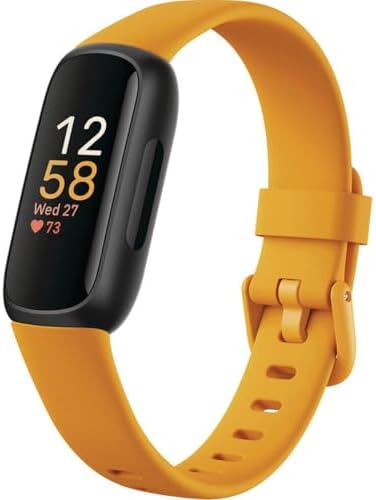
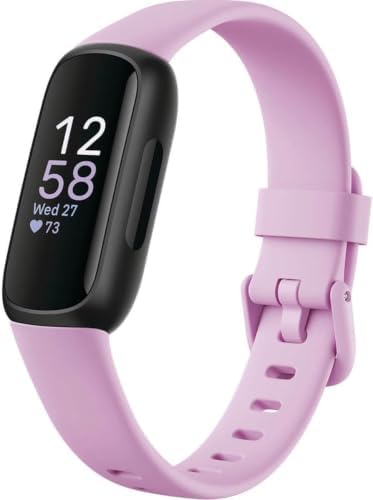
The Inspire 3’s styling is deliberately neutral. It works with the way the Fitbit brand’s design treats the device as a background sensor rather than an accessory: discreet bands, softened edges, and a form that slips under sleeves. As a lifestyle product the Inspire 3 collection reads almost like jewellery at its scale, and that subtlety is the reason many wearers choose it for sleeping. There is a genuine trade-off here: expressive screen versus invisible companion.
Which Fitness Tracker Fits Your Priorities
Buying on display size alone would favour Samsung decisively. The Galaxy Fit3 series suits an Android user who reads notifications constantly, wants a mini smartwatch face on the wrist and trains across many disciplines. It rewards people already inside Samsung’s wellness ecosystem, where heart, stress and sleep data flow straight into Samsung Health.
The Inspire 3 suits two buyers in particular: an iPhone owner looking for a credible health tracker without an Apple Watch, and anyone who prizes subtle wellness reporting over screens. Sleep analysis, readiness scoring and the three-month premium membership make the first months informative in ways raw step counts never are. It weighs a fraction more interest in data interpretation than in visual variety, which is a different product philosophy rather than a lower one.
Value should be judged in context. Neither tracker attempts the clinical positioning of a smartwatch, and that restraint keeps costs contained and battery long. Which family wins depends on the hardware questions a buyer can answer honestly before purchase: Do I prefer a screen or a whisper? Is my phone Android or iOS? Does motivation come from numbers I can inspect or insights I can read? the Samsung brand’s proposition centres on presence, feedback and breadth of modes, while the Fitbit offering centres on interpretation, cross-platform freedom and a wellness narrative refined over years of product iteration.
Both the Galaxy Fit3 and the Inspire 3 demonstrate how far slim fitness bands have progressed without heavy cases or weekly charging. The most durable choice is usually the one whose data the wearer will actually look at. A large screen invites interaction, and a discreet band invites memory. Matching the device to that habit is a better investment than matching it to a spec sheet.