Two wearable lineages approach the wrist from opposite directions. The Versa 4 family treats the device as a dependable instrument built for multi-day stamina and uncluttered health feedback, while the Galaxy Watch8 collection pushes toward on-wrist computing, deeper sleep intelligence, and a full app platform. Choosing between them is less about brand loyalty and more about honest self-assessment: are you training toward a goal, or simply trying to move more each day? Do you want to charge once a week, or are you content plugging in nightly if the payoff is richer data? This guide is built as a keeper for exactly that decision, written around what each product genuinely does well, where the compromise sits, and which trade-offs still matter months after the novelty fades.
| Feature & Selling Point | Fitbit Versa 4 | Samsung Galaxy Watch 8 |
|---|---|---|
| Battery Life | Up to 6 days per charge | Typically one to two days |
| Charging Routine | Roughly weekly top-ups | Nightly or every other morning |
| Operating Platform | Fitbit OS with limited third-party apps | Wear OS with Play Store access |
| Phone Compatibility | Android and iOS | Android only for full function |
| Display Technology | AMOLED, always-on capable | AMOLED with adaptive brightness |
| Case and Build | Aluminium case, 40mm footprint | Slimmer profile, cushion-shaped case |
| GPS Capability | Built-in GPS | Dual-frequency GPS (per Samsung) |
| Workout Modes | 40 plus exercise modes | Broad multi-sport tracking |
| Sleep Analysis | Sleep stages and Sleep Score | Sleep Coaching and Energy Score |
| Readiness Metric | Daily Readiness Score | Energy Score and tips |
| Running Tools | Basic pace and distance | Running Coach programmes |
| Water Resistance | Swim-friendly, 5 ATM rated | 5 ATM plus IP68 rating |
| Payment and NFC | Fitbit Pay on supported models | Samsung Wallet integration |
| Best Suited To | Routine health and sleep focus | Performance data and Android users |
The single most consequential row is the battery line, because it reshapes daily behaviour. Up to six days of runtime on the Versa 4 turns the charger into a weekend ritual rather than a bedside fixture, whereas the Galaxy Watch 8 expects the discipline of a nightly top-up in exchange for a richer software platform. The other quiet divider is compatibility: one serves iPhone and Android owners equally, while the other rewards commitment to Samsung’s ecosystem with a depth of integration a cross-platform alternative cannot replicate.
The Daily Wear Question: Stamina Against Capability
A smartwatch succeeds or fails on whether it survives your schedule. The Fitbit approach treats the wrist device as a dependable instrument that should disappear into routine; multi-day battery means continuous sleep tracking without a mid-night recharge window, and the always-on display can stay lit for glanceable time checks without anxiety. That reliability builds trust, because a device that is always ready is a device people actually wear.
The Samsung line takes the opposing bet, asking for a daily charging habit in return for a Wear OS environment where third-party apps install and run much as they would on a phone. The Samsung Galaxy Watch 8 40mm Graphite Bluetooth Smartwatch brings that philosophy into its slimmest form, prioritising on-wrist computing and an adaptive screen over maximum autonomy. For anyone who leans heavily on notifications, quick replies, and app-driven functions, the nightly charge reads as a reasonable subscription fee.
Health Tracking: Readiness Scores Against Sleep Coaching
Both lineages agree the wrist is a superb data collection point, but they polish that data differently. Fitbit’s Daily Readiness Score translates heart-rate variability, activity load, and recent sleep into a single actionable verdict each morning. If the number is low, the recommendation is lighter movement; if it is high, the watch encourages more effort. It is a quietly effective nudge toward moderating training volume, and it works for beginners and long-term users alike.
The Galaxy Watch 8 pushes further into prescriptive territory, with a Sleep Coaching flow and an Energy Score that attempt to explain why the body feels a particular way and how to adjust. According to Samsung, the watch uses its 3nm processor to run more of this analysis on-device. The practical distinction is voice: Fitbit feels like a coach who simplifies, Samsung like an analyst who elaborates. Neither is inherently superior, but the Fitbit style tends to suit people who want a clear decision, while the Samsung style suits people who want a diagnostic narrative.
Training and Navigation: Where the Gap Widens
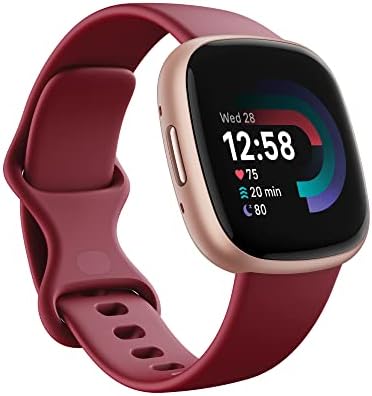
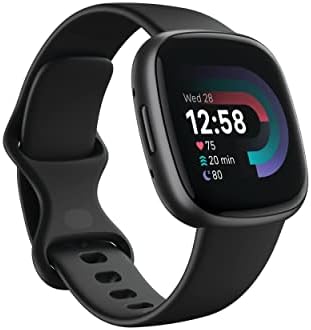
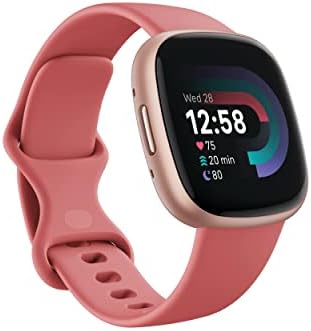
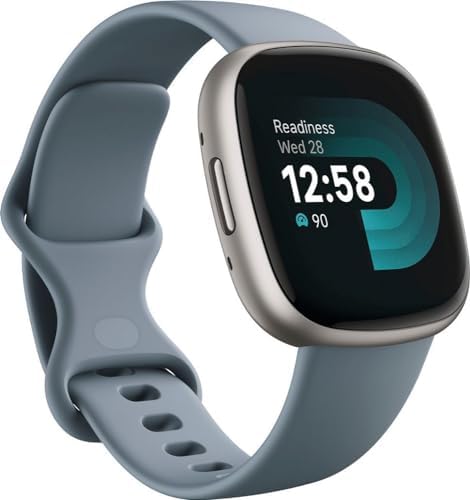
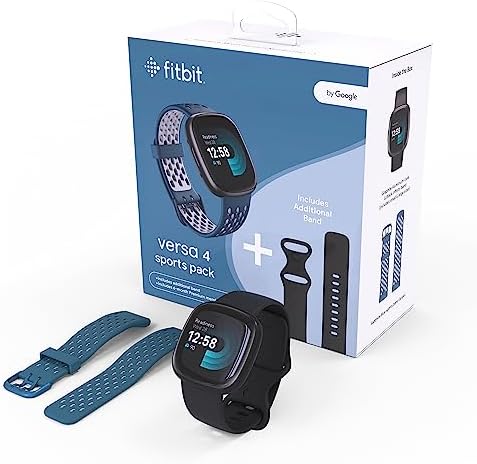
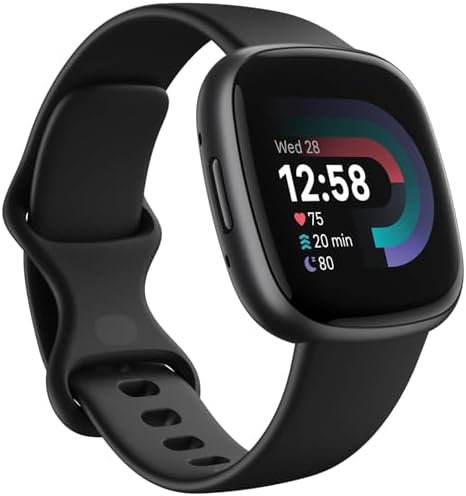
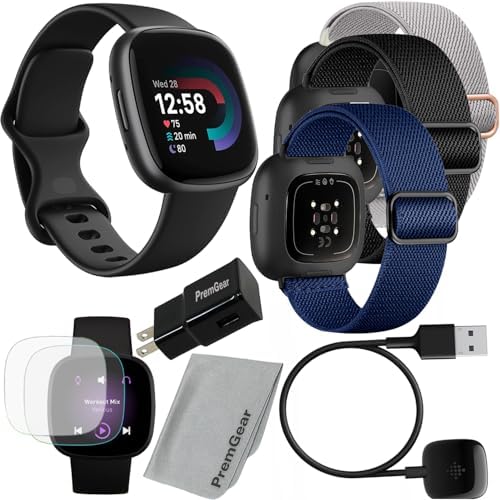
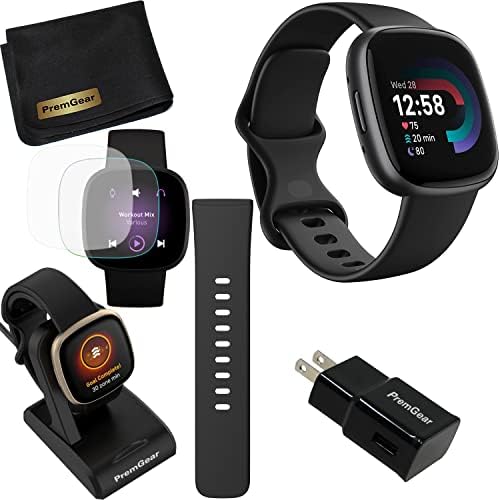
If exercise data is the core reason for buying a smartwatch, the comparison tilts. The Fitbit Versa 4 Fitness Smartwatch serves most casual athletes well: 40-plus exercise modes, connected GPS, heart-rate zone alerts, and reliable step and distance accounting. For runners who want to log routes and heart-rate effort across consistent weekly workouts, it is thorough and friction-free.
The Samsung offering takes a more demanding view of what a dedicated runner wants, with dual-frequency GPS positioning and dedicated Running Coach programmes that structure sessions toward a goal. Dual-frequency GPS matters in built-up areas and wooded trails, where single-band signals contend with reflections and can meander. This is the point at which the Galaxy Watch 8 stops being a wellness accessory and becomes a training tool for people who care about split accuracy and structured progression. The trade-off is paid back in complexity: more modes and programmes require more setup and more understanding of what the metrics mean.
Software, Apps, and the Ecosystem Tax
Fitbit keeps things deliberately limited. Messages, alarms, timers, media controls, and a focused set of essential tools are present, but the app drawer is not where this device earns its keep. This is a strategic narrowing: fewer apps mean less strain on battery and less cognitive noise on the wrist. For iPhone owners in particular, the Fitbit platform remains a genuinely compelling choice precisely because it does not demand a full platform relocation.
The Samsung approach assumes users who want their watch to behave like a companion device. The Samsung ecosystem rewards that appetite with a tighter loop between phone, watch, and wallet. On the Galaxy Watch 8, Samsung Wallet handles payments and transit passes, and the watch can become a work tool for people whose day is organised by calendars in their pocket. The price of admission is Android compatibility if you want the whole of it; cross-platform use strips away enough that the value proposition loses its shape.
Design, Fit, and the Way These Watches Look
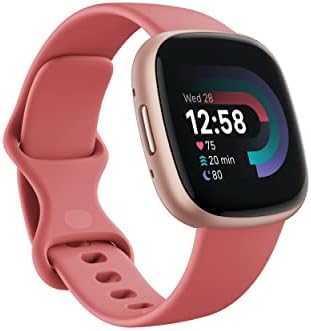
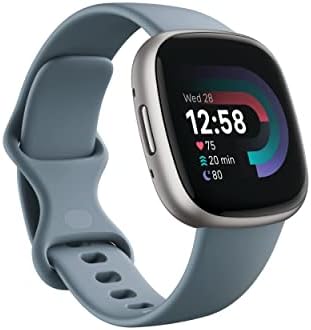
The Versa 4 is a square-ish, quietly generic smartwatch with an aluminium case and a comfortable weight. Its flat-sided screen makes text legible and the touch targets generous, and its unisex proportions suit wrists that might otherwise struggle with the Samsung model’s watch-like shape. Nobody buys a Versa 4 for its design statement, but that is arguably the point: it recedes into the outfit rather than performing for it.
The Galaxy Watch 8 adopts a cushion-like case profile that sits closer to a traditional watch in silhouette. Its screen is narrower relative to the case, which makes long messages slightly less comfortable to read but gives the device a more finished appearance on a going-out wrist. As evidence that two people can wear the same watch and come away with opposing impressions, this is about the strongest in the category: the choice is fundamentally aesthetic and tactile rather than technical. Anyone choosing by look alone should try both on before deciding.
Battery Math, Longevity, and Running Cost
A watch that survives six days reshapes everyday behaviour, especially for sleep tracking: you gain data every night instead of losing it every time the watch dies at 2am. The Versa 4’s stamina means the device spends most of its life on the wrist and very little of it on charge, which is one reason a modest battery capacity is not a fatal compromise.
The Galaxy Watch 8 asks for a nightly ritual and in exchange gives you resources to spend on running GPS, an adaptive display, and a third-party app layer. Users begin to notice they are tethered to the charging puck the way a phone user is tethered to the wall socket. Neither cost is wrong; the question is whether you would rather think about your watch weekly or nightly. Anyone whose priority is fewer household chores should lean toward the longer-running option.
Choosing by User Rather Than by Specification
The clearest way to settle this comparison is to place yourself in one of three profiles. If daily health awareness, sleep scores, and motivation on the move are the goal, and battery anxiety after two days is unacceptable, the Versa 4 series fits the shape of that life. It rewards consistency with simple feedback and never competes for the charging slot next to a phone.
If you already use a Galaxy phone, want running coaching and dual-frequency positioning, and would rather have a proper app platform, the Galaxy Watch8 collection delivers a set of capabilities with no real equivalent in the Fitbit ecosystem. It asks more operationally, rewards appetite for data, and grows more useful over the first few weeks as the sleep and readiness profiles stabilise.
For everyone in between – iPhone owners who run casually and want reliable tracking, or Android users who care about design first – the decision becomes about how much sophistication is actually manageable. Wearing a smartwatch is an ongoing relationship, and every feature only pays off if the user is willing to engage with it. The box you choose gains value over time, because both watches are honest about their costs and honest about their rewards. The better wrist companion is simply the one whose demands you are willing to meet, because that is what makes a smartwatch worth keeping.